
NELSON MORALES
WEB I @nelsonmoralesmx
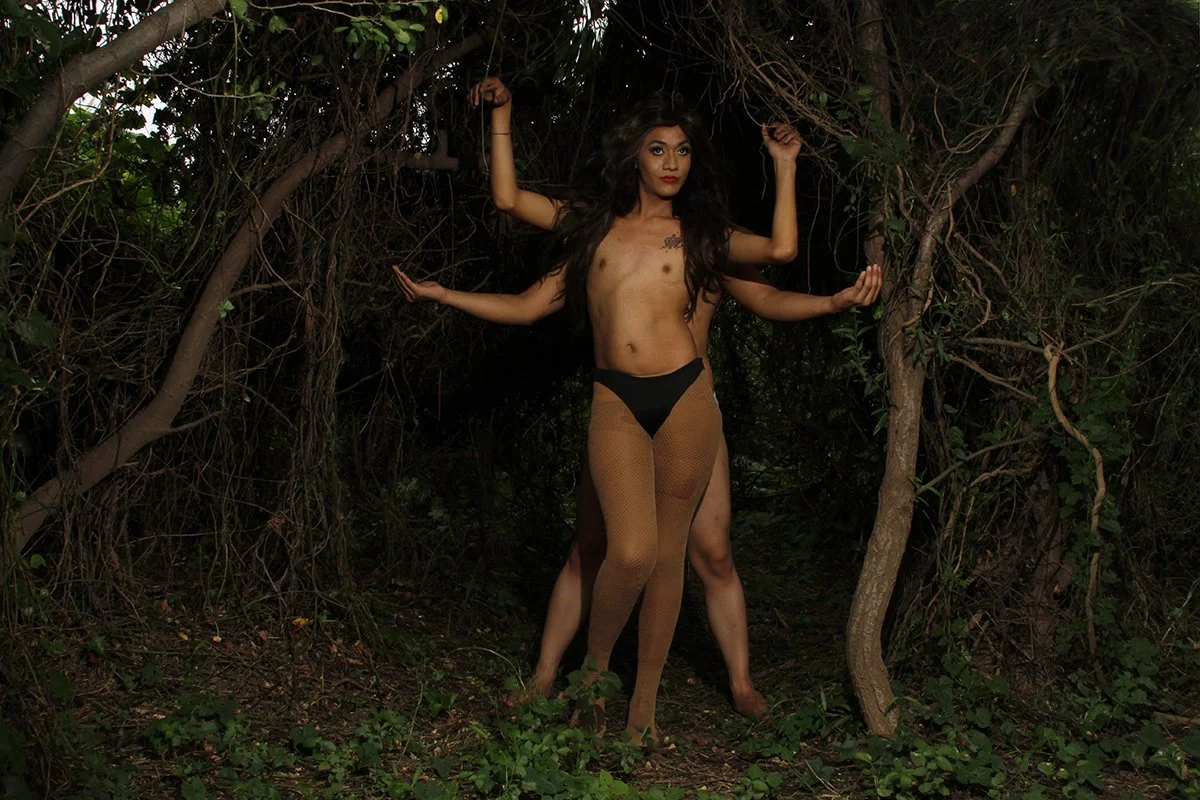
All rights reserved © Nelson Morales
Nelson Morales studied Communication Sciences at José Vasconcelos University in Oaxaca, and since 2008 he has worked as an independent photographer. His work—shaped through various contemporary photography programs in Mexico—focuses on themes of gender, the body, and sexual diversity. He has exhibited in several countries, been published in international media, and produced three photobooks — Musas Muxe, Fantastic Woman, and Born to Shine— in addition to participating in documentary projects. In 2025, he presented his first retrospective at the Museum of Mexico City.
In 2025, you presented your first retrospective at the Museum of Mexico City. What inspired you to begin the Muxesproject?
NM: I am part of the Muxe community since the moment I acknowledged myself as homosexual; however, I used to have a certain rejection, driven by the fear of becoming one of them. I allowed myself to get to know their world and their space through photography, until it became a personal process of companionship and self-acceptance.
How do you approach capturing the daily lives and stories of the Muxe community?
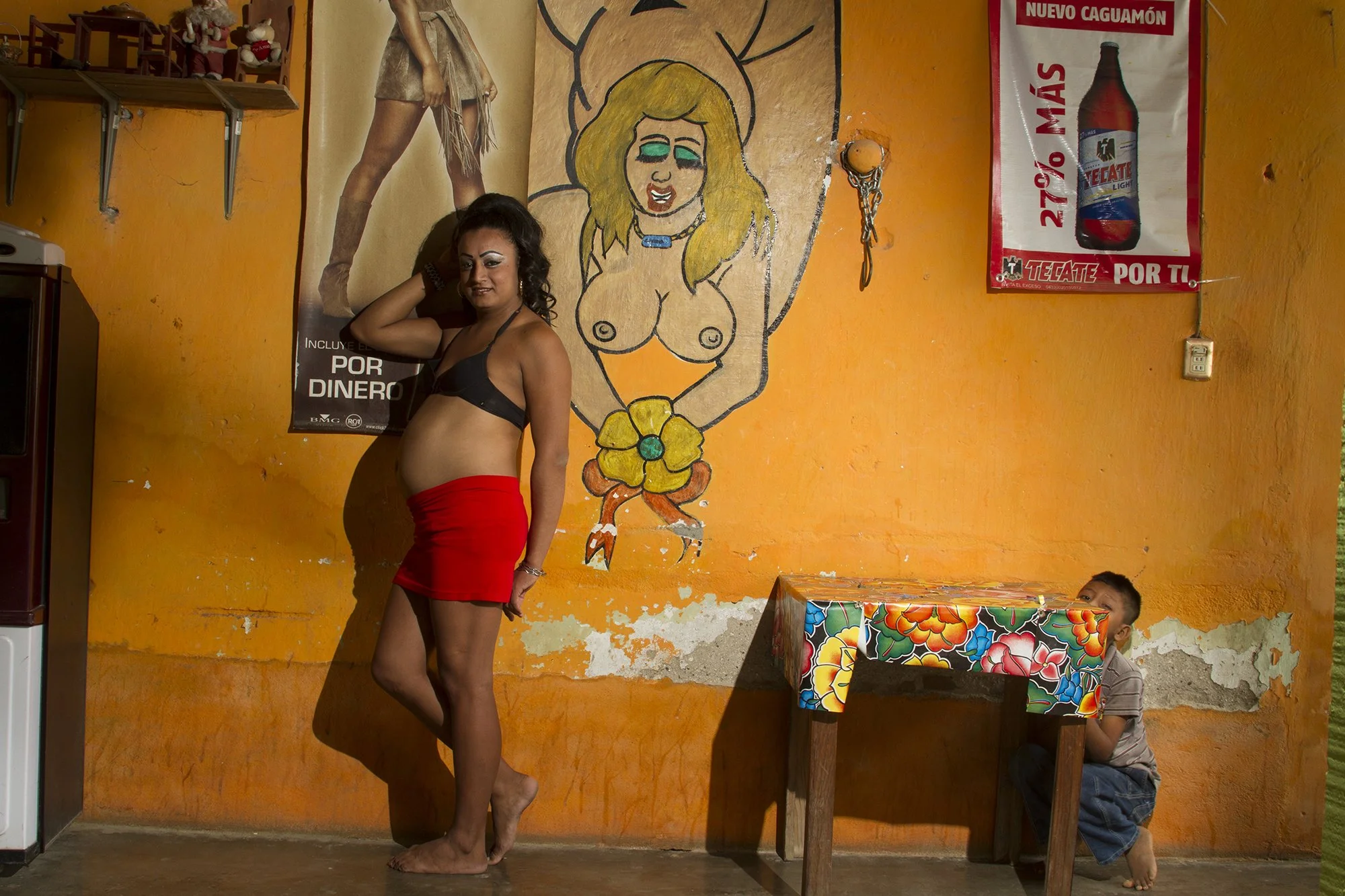
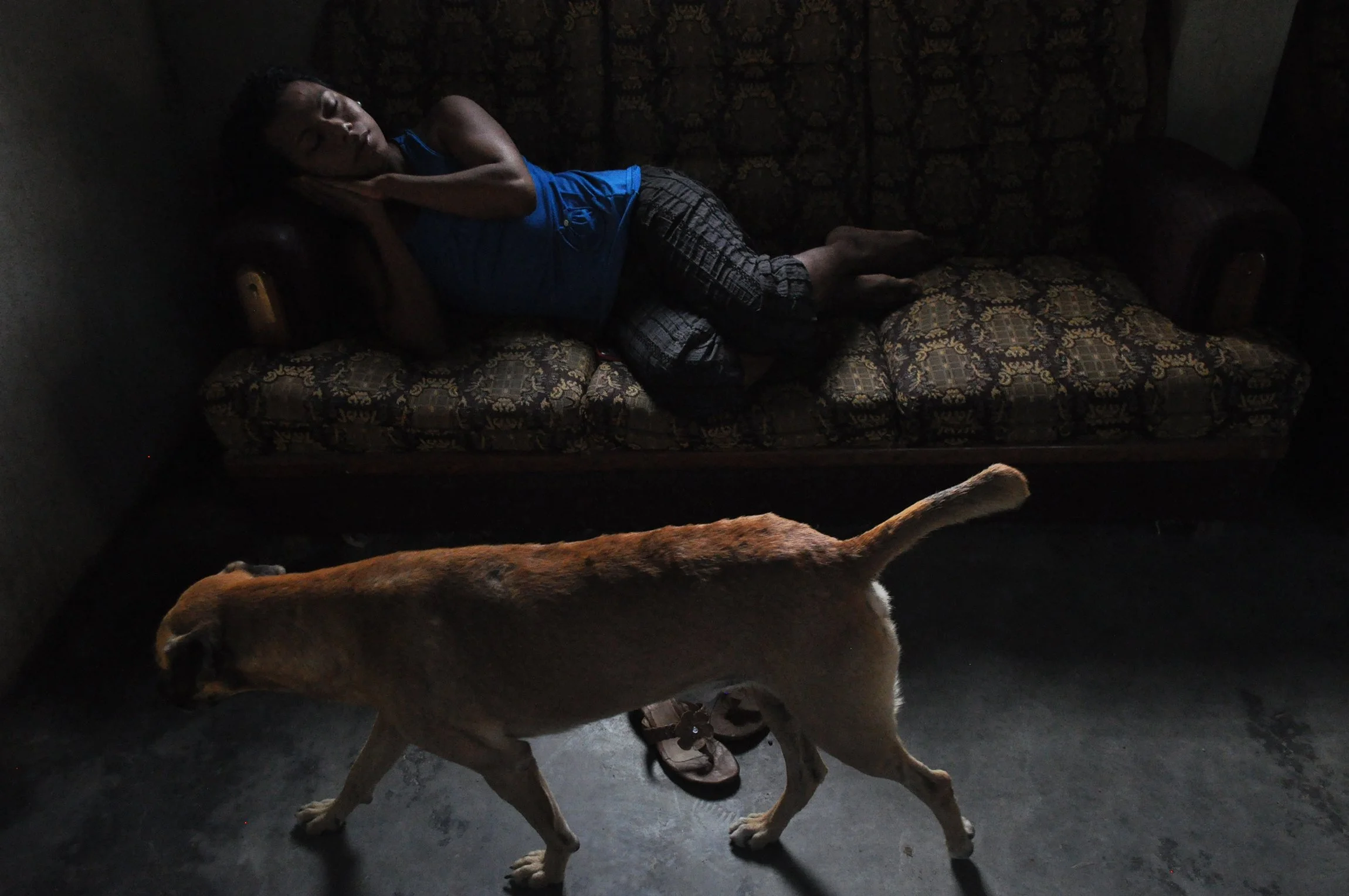
NM: The Muxe universe has been explored for many years through different artistic disciplines; however, what makes my project unique and authentic is that I have approached it in depth. Being part of the same community has allowed me to enter that mystical, sensual, and challenging space.

What challenges have you faced while photographing this project?
NM: The main challenge was not having a clear idea of how to approach the project from the beginning, and I believe that was actually a good start. I think every artist has different processes, and in my case, I had to discover mine throughout the process and the years of work.
¿Cómo equilibras el respeto a la privacidad de tus sujetos con tu visión artística?
NM: Siempre he sido claro cuando retrato a mis personajes, les menciono que las fotografías pueden publicarse en medio y también se pueden exponer. Antes de publicar algo siempre pido el consentimiento para estar siempre en armonía y en la misma sintonía.
How has the Muxe community responded to your work?
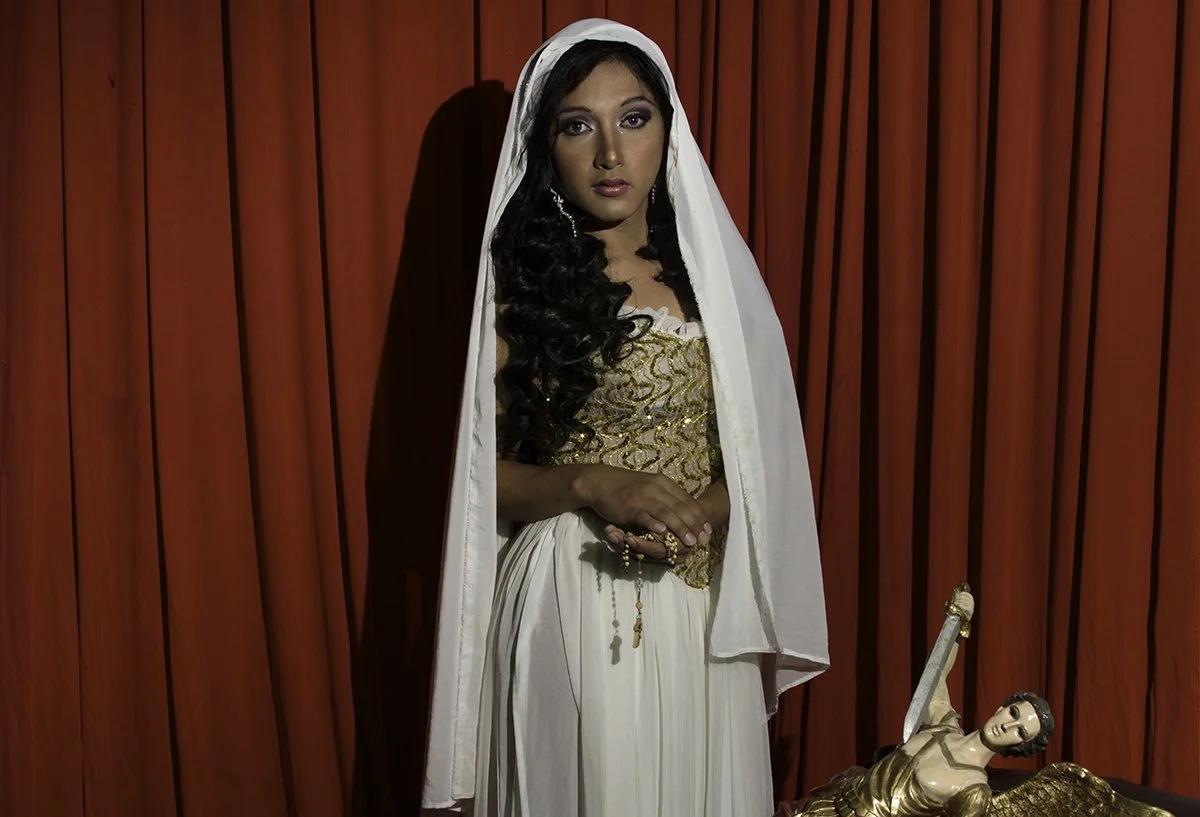
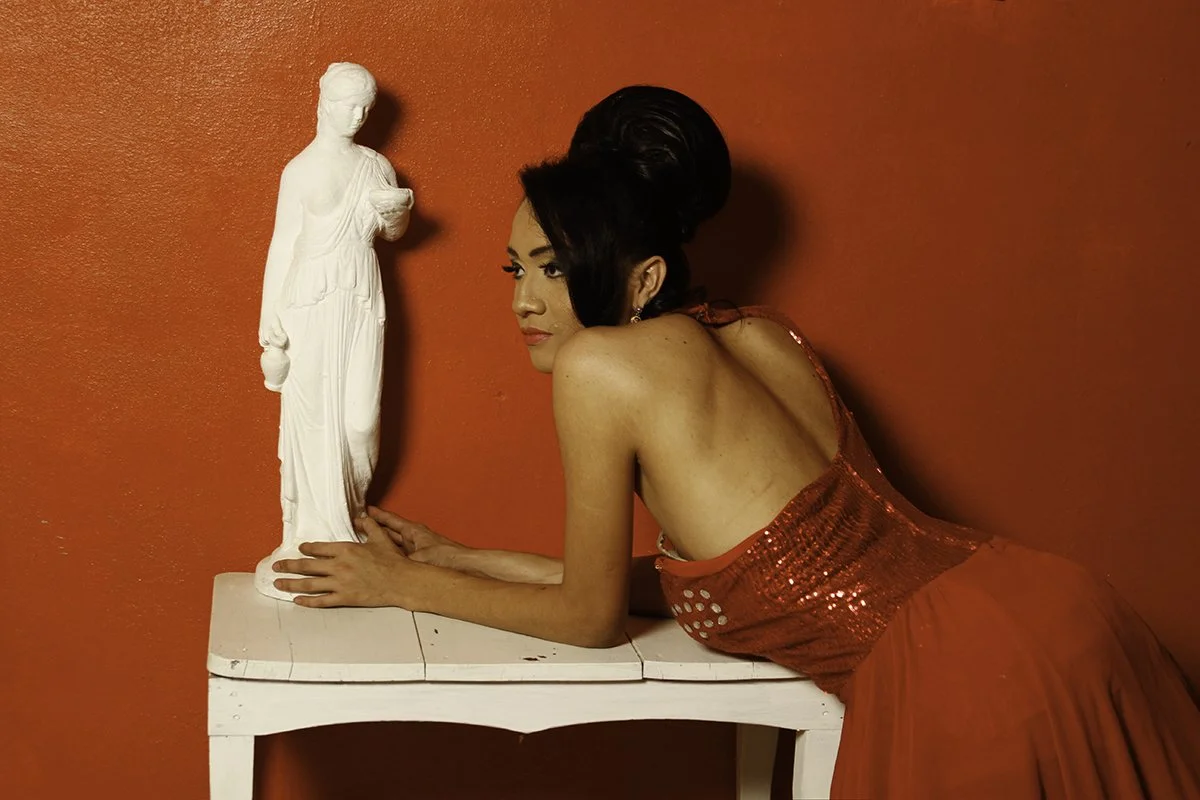
NM: Everyone who has been photographed feels proud and, in a way, liberated, because they see themselves in a way they hadn’t been portrayed before. I also believe that the different Muxe voices must be heard, each from their own place of expression. In my case, I think my work brings Muxe culture to a level where it can be shown in important spaces, and that has given it greater visibility.
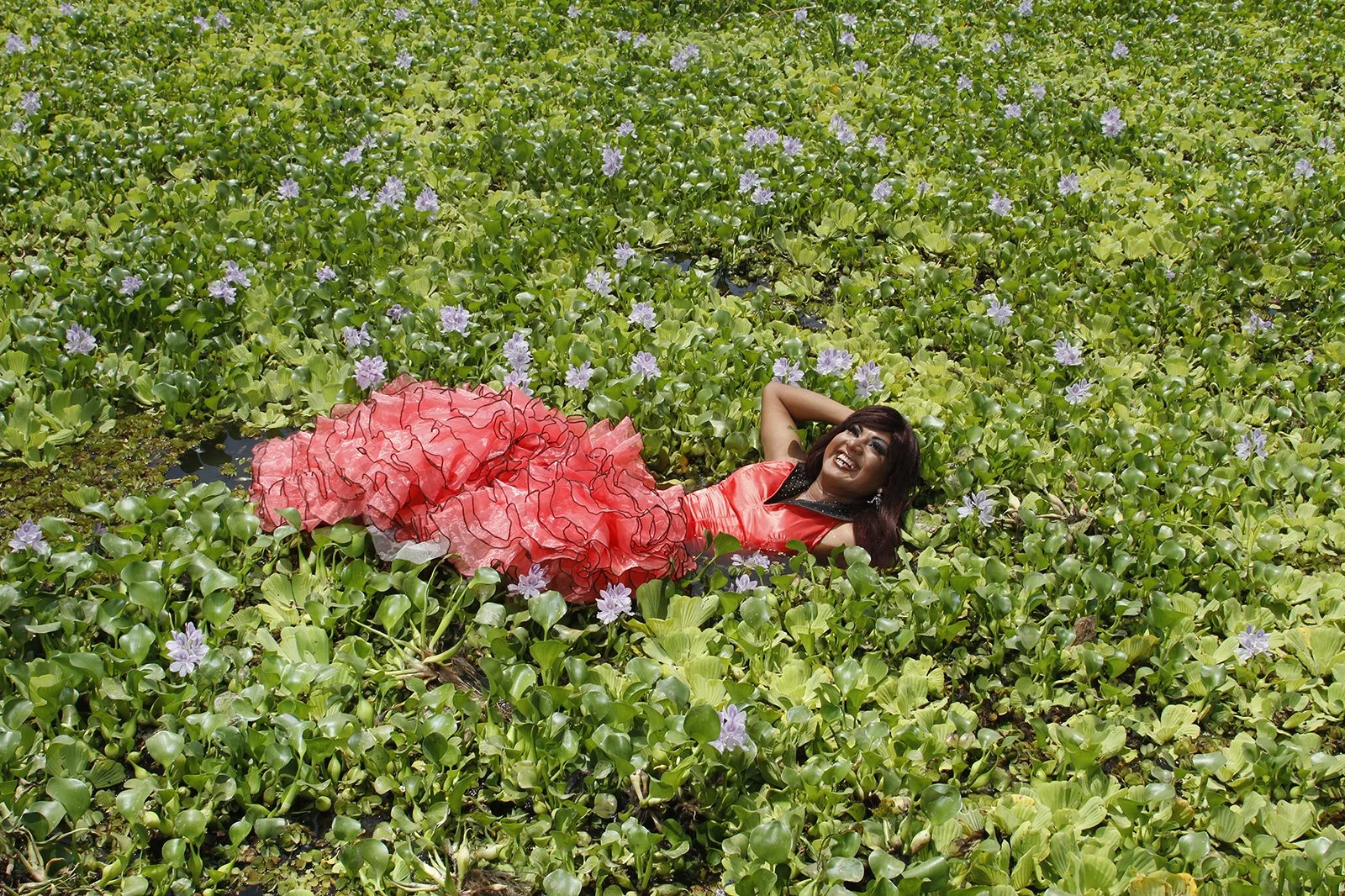
“All those who have been photographed feel proud and, in a way, liberated, as they are represented in a way they hadn’t been before. I also believe that the different Muxe voices must be heard, each from their own perspective”
Could you explain your photographic process in this project, especially regarding light and composition?
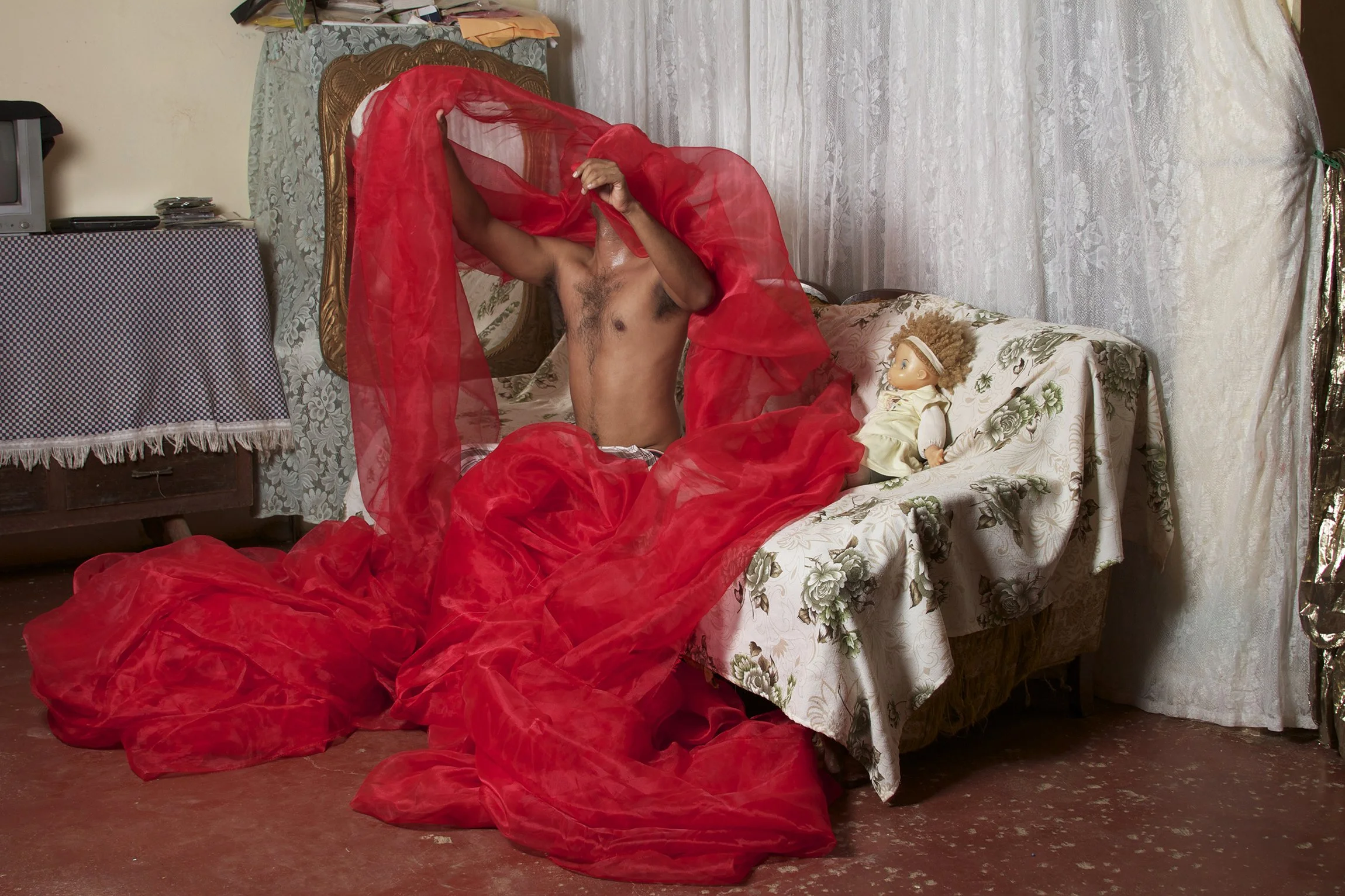
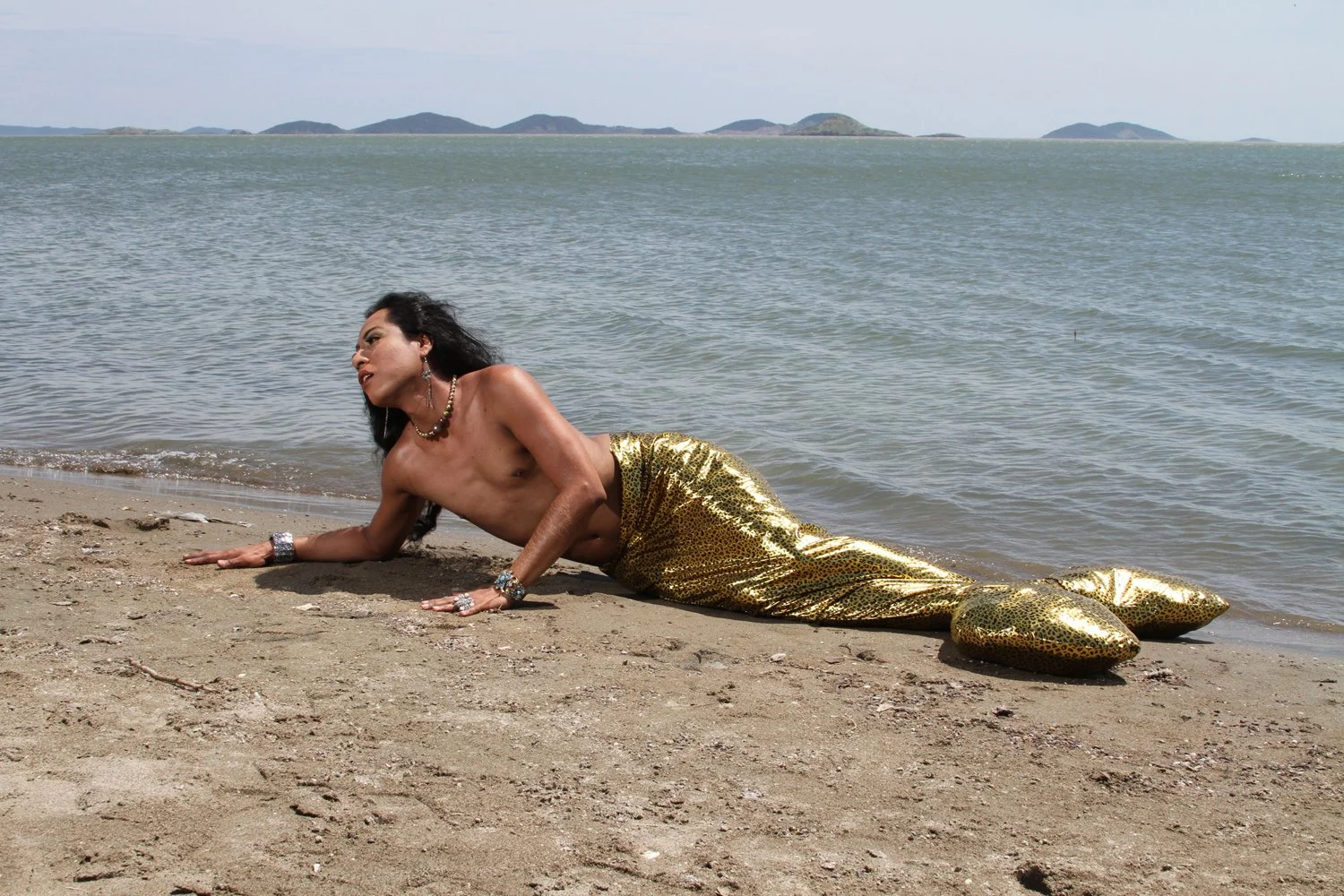
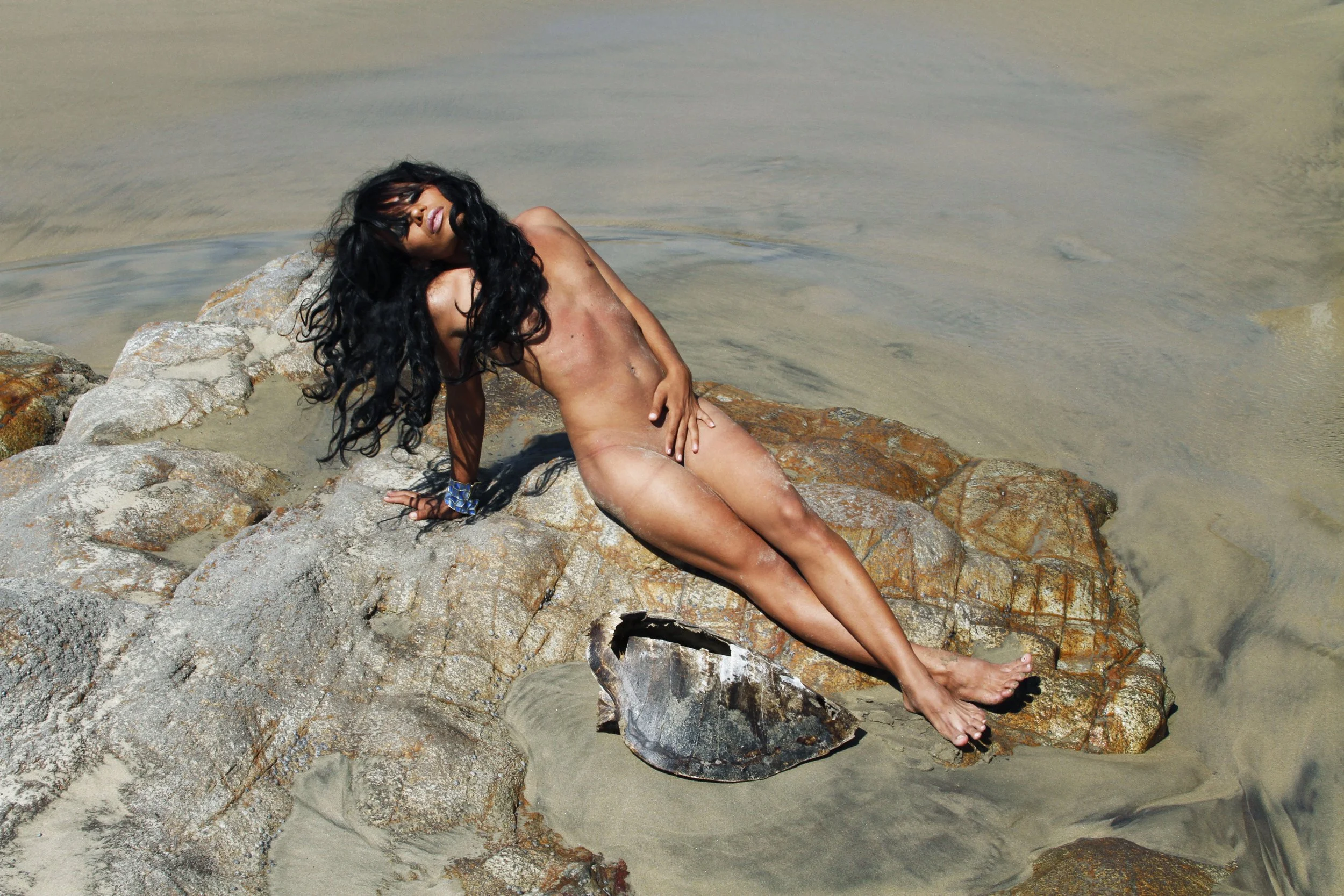
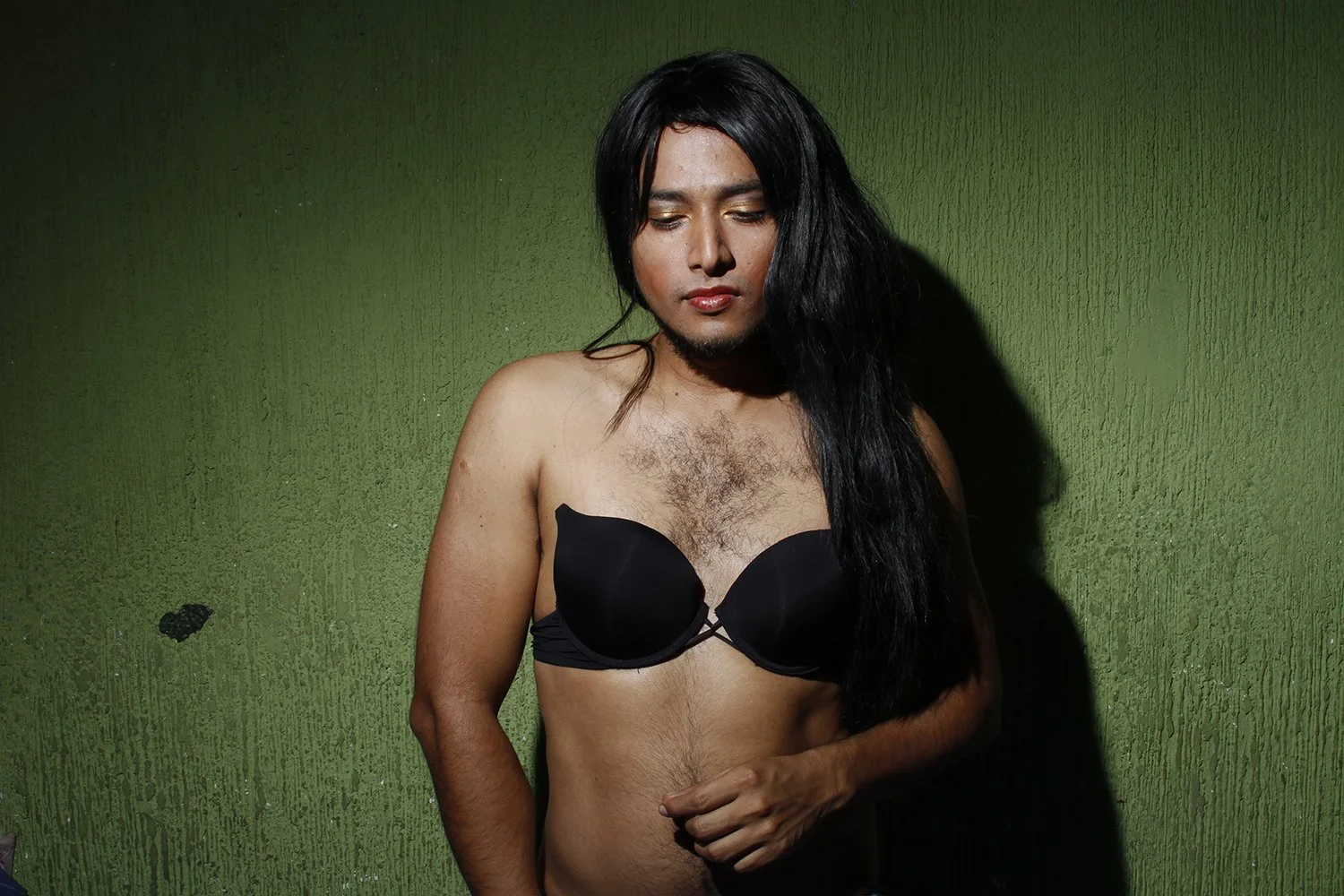
NM: I try to keep it an organic process. I choose the locations and the framing, and the muxes support the personal styling, guided by me, while I let everything unfold spontaneously. As for lighting, at times I work with natural light, and I also use an external flash to create contrast and intensity in the images.
Which images or moments in this project stand out the most for you, and why?
NM: For me, all stages of the project are special, from my first black-and-white photographs to these staged scenes, which have become iconic in my career.
How do you hope your photography will impact viewers or raise awareness about the Muxe community?
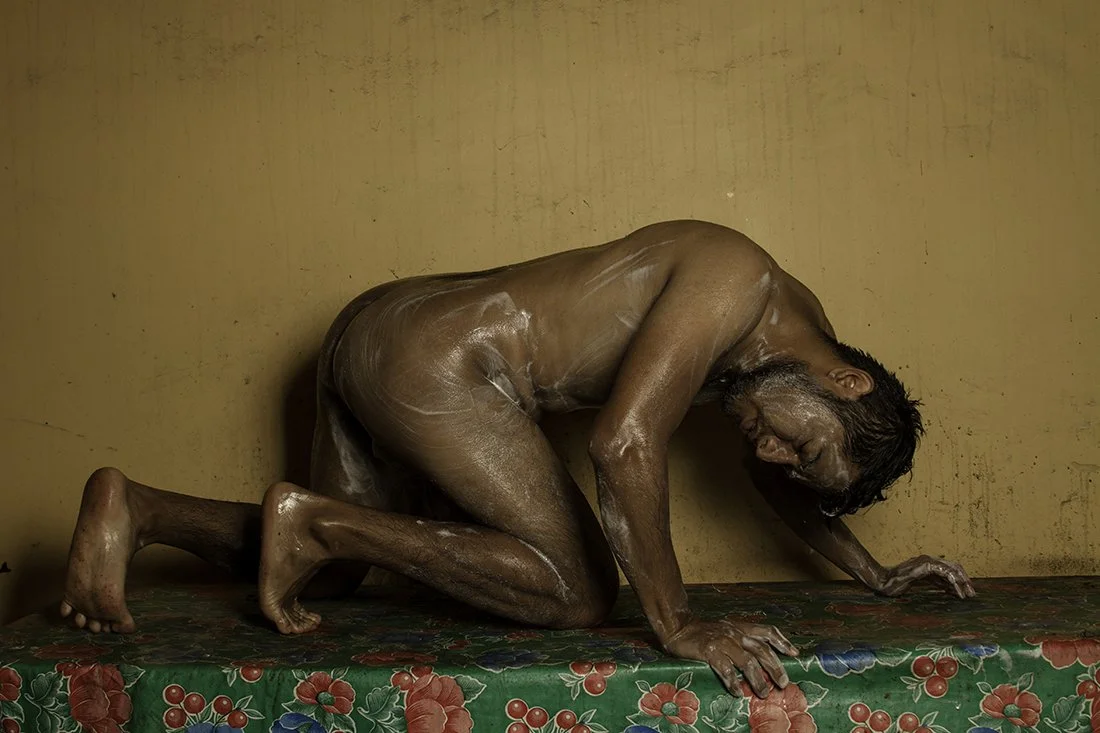
NM: I like to create a dialogue with the viewer. I believe the images challenge them in some way, even confronting their own identity. I also hope for respect, empathy, and above all, visibility for the Muxe community, which is a global reference in LGBTIQ+ issues.
Is there any personal story or encounter during this project that has left a strong impact on you?
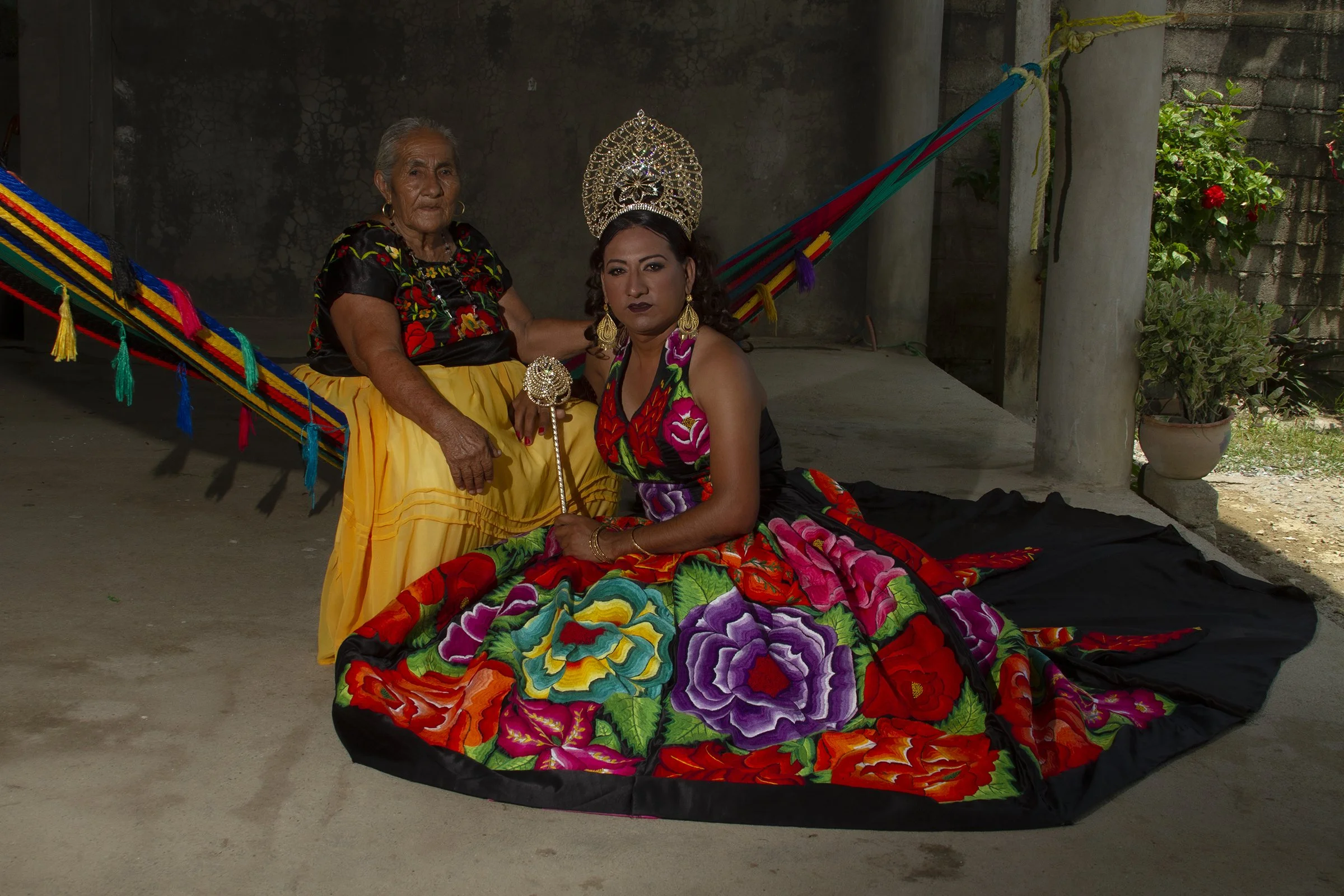
NM: There are many stories—each photo, each subject, brings its own theme. But if I can highlight something from these years, it is that many of the muxes I photographed are no longer with us, due to various health issues, trans-feminicides, and other causes. This has pushed me to continue creating visibility and to raise my voice.
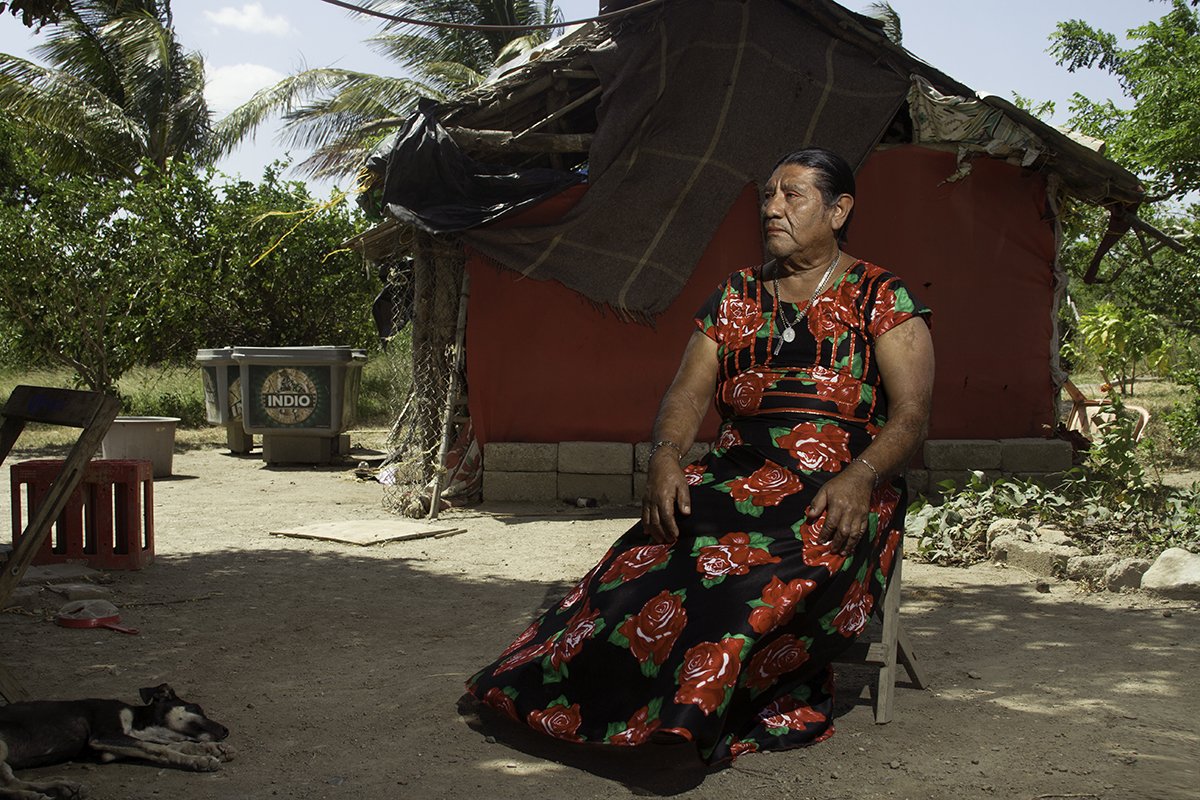
“I like to create a dialogue with the viewer; I believe the images challenge them in some way, even prompting reflection on their own identity. I also hope for respect, empathy, and above all, visibility for the Muxe community”
What future directions or projects are you considering after Muxes?
NM: I have other projects with the muxes that I have approached in different ways, such as the pageants, which are very important within the community. I am also currently working with the mothers of the muxes, which I find very significant, as I personally believe they are the backbone of this culture that has crossed borders.
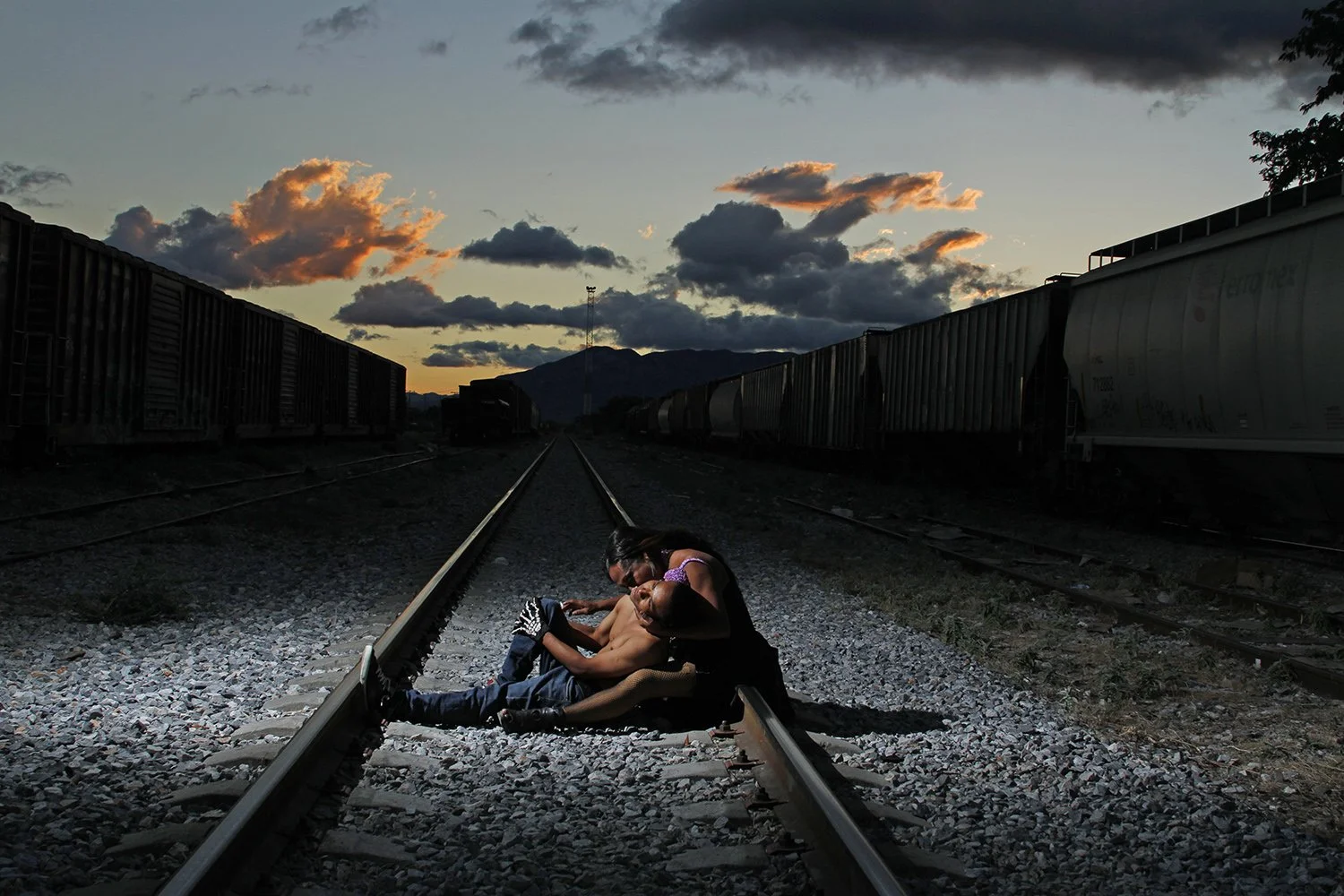
All rights reserved © Nelson Morales