
JAZMÍN ROBLES
All rights reserved ©Jazmín Robles
Jazmín Robles is an actress, photographer, playwright, and theater director. She holds a Bachelor’s degree in Acting from the National University of the Arts (UNA) in Argentina. As a playwright, she wrote and directed the play Saying “I Love You” Is an Attack, which won the Nuestro Teatro Competition at the Teatro Nacional Cervantes. As a photographer, she experimented for years with documentary photography and studied at numerous schools and with various mentors.
She is currently developing her photobook project What I Let Go With the River. As an actress, she has participated in numerous theater productions in Buenos Aires, including Paradise Lost by César Brie.
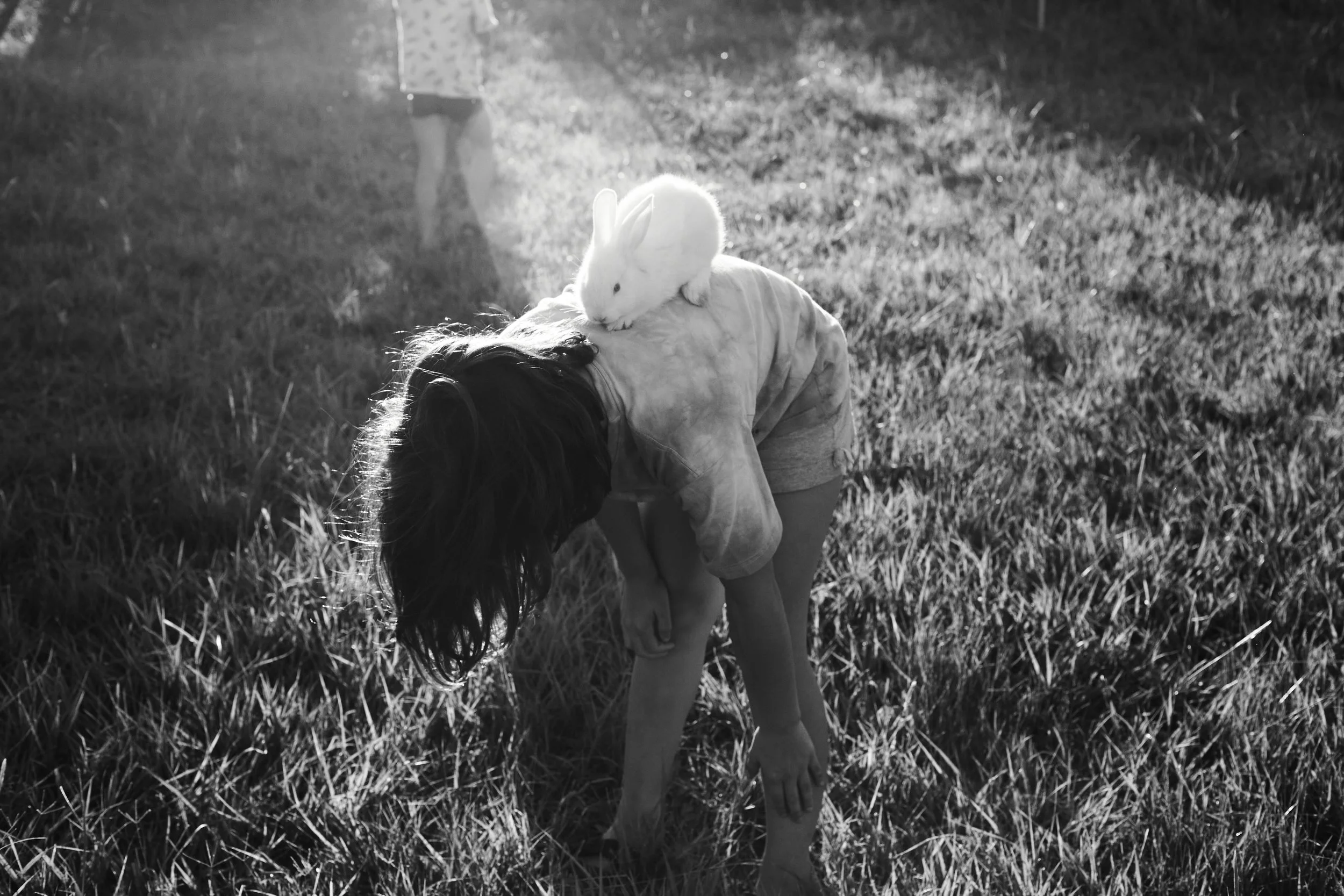
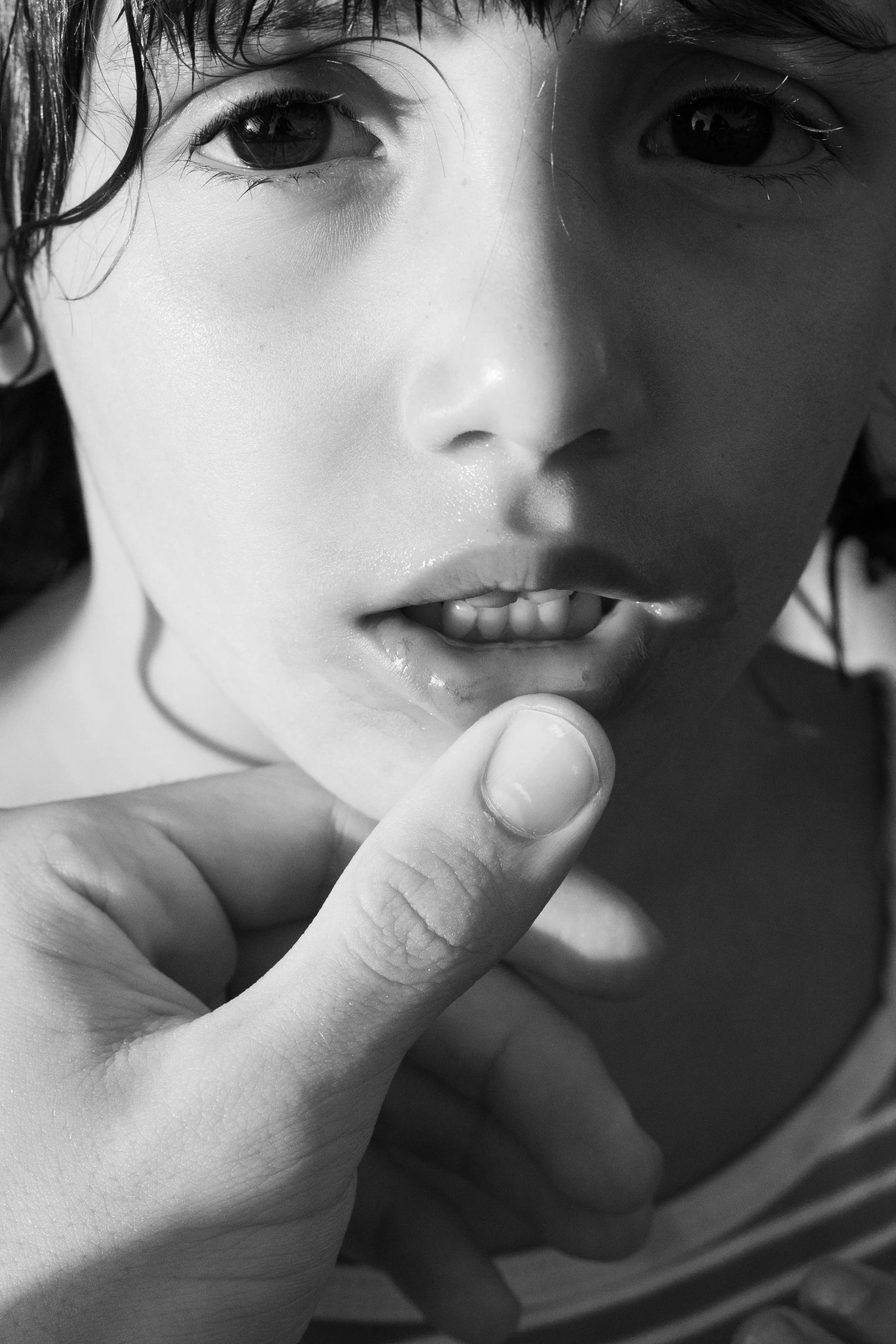
This project emerges from my relationship with my siblings, shaped by childhood, nature, and the wild. It began almost without my noticing, as a need to belong to an environment from which I felt detached, and it ultimately became a mirror of my own vulnerability. My parents separated when I was two years old; each formed a new family, and nine siblings appeared. I am an only child. I am the oldest. I have two families. I have none. The camera, which has accompanied me since I was seven, became a way of seeing and inhabiting those bonds.
This project is an attempt to recover innocence, to dwell in what slips away, and to find—between the mud and the river—a possible place to remain.
1. Jazmín, you come from a wide-ranging background that includes acting, playwriting, theater direction, and photography. How do these disciplines converse within your artistic practice?
JR: I believe that all the disciplines I have moved through—acting, playwriting, theater direction, and photography—deeply nourish one another. Theater and acting were my greatest teachers: they trained me in sensitivity, listening, and the truth of presence. I learned to observe when someone is truly there, when their essence is connected to what they feel and to what they are experiencing in that moment.
That same attentiveness is what I seek to carry into photography. I am interested in the contemplation of the other and in the possibility of suspending the truth of a moment within an image: an emotion, a minimal gesture, an atmosphere—whether in front of a person, nature, an animal, or a landscape.
Cinema was also a fundamental influence from a very young age. Without realizing it, it shaped my way of seeing: space, framing, rhythm, and the relationship between bodies and their surroundings.
At the same time, photography has nourished my scenic work. It taught me to observe with greater precision, to compose from intimacy, and to understand how a single image can contain an entire narrative. In both practices, I am interested in that ambiguous territory where the real and the fictional intersect—where representation falls away and something more honest and vibrant emerges.
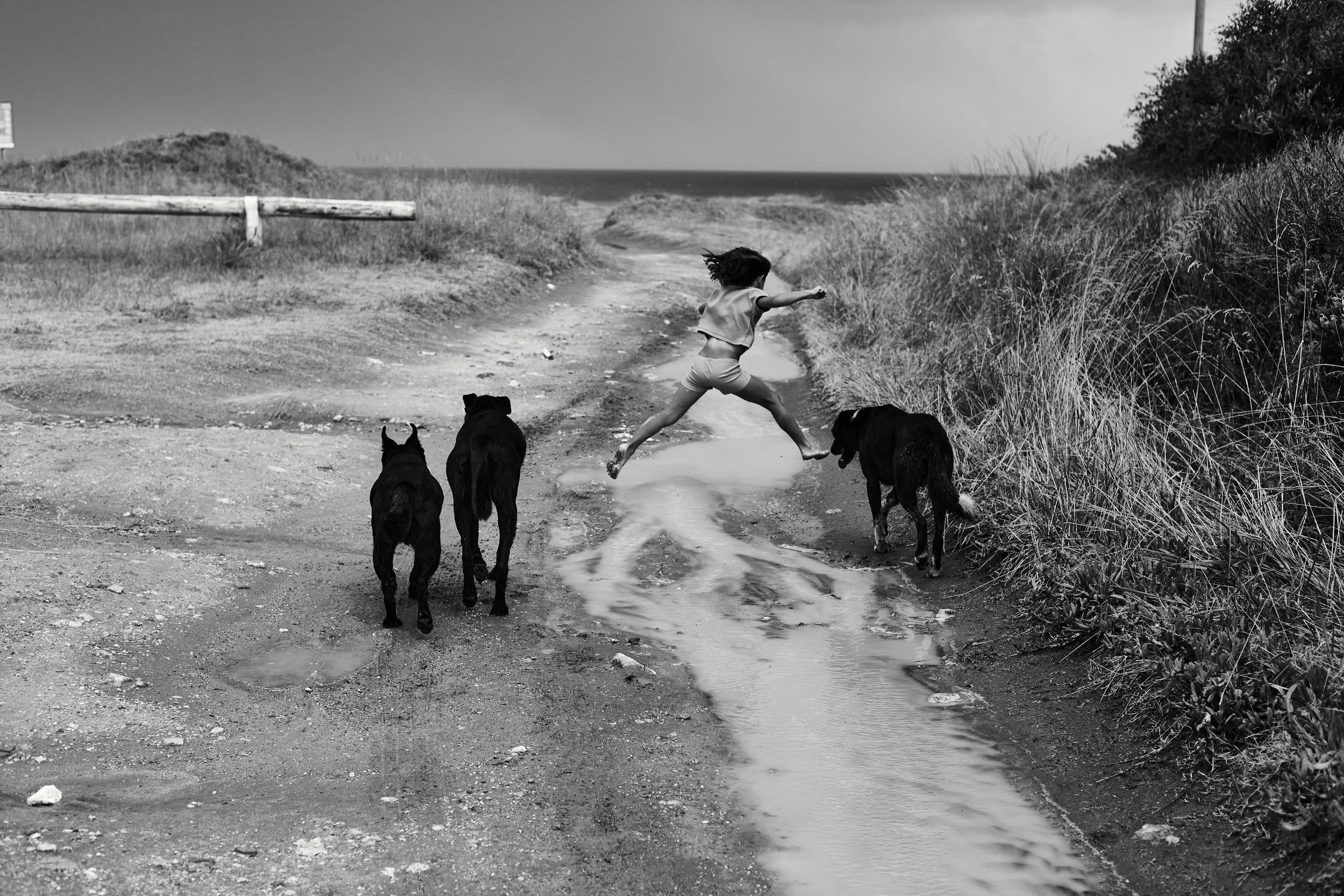
Many of my images also arise from play and fiction, as a way of opening space for imagination. I feel that childhood—like nature and animals—inhabits that place with greater freedom, without so many layers of control. That state of availability, presence, and truth is where I am most interested in working.
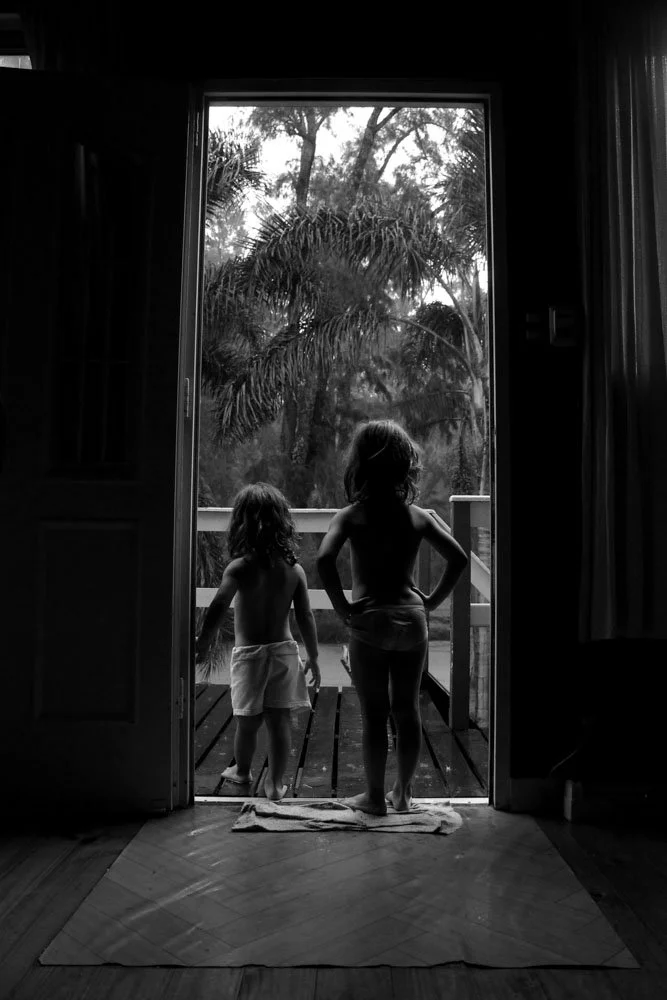
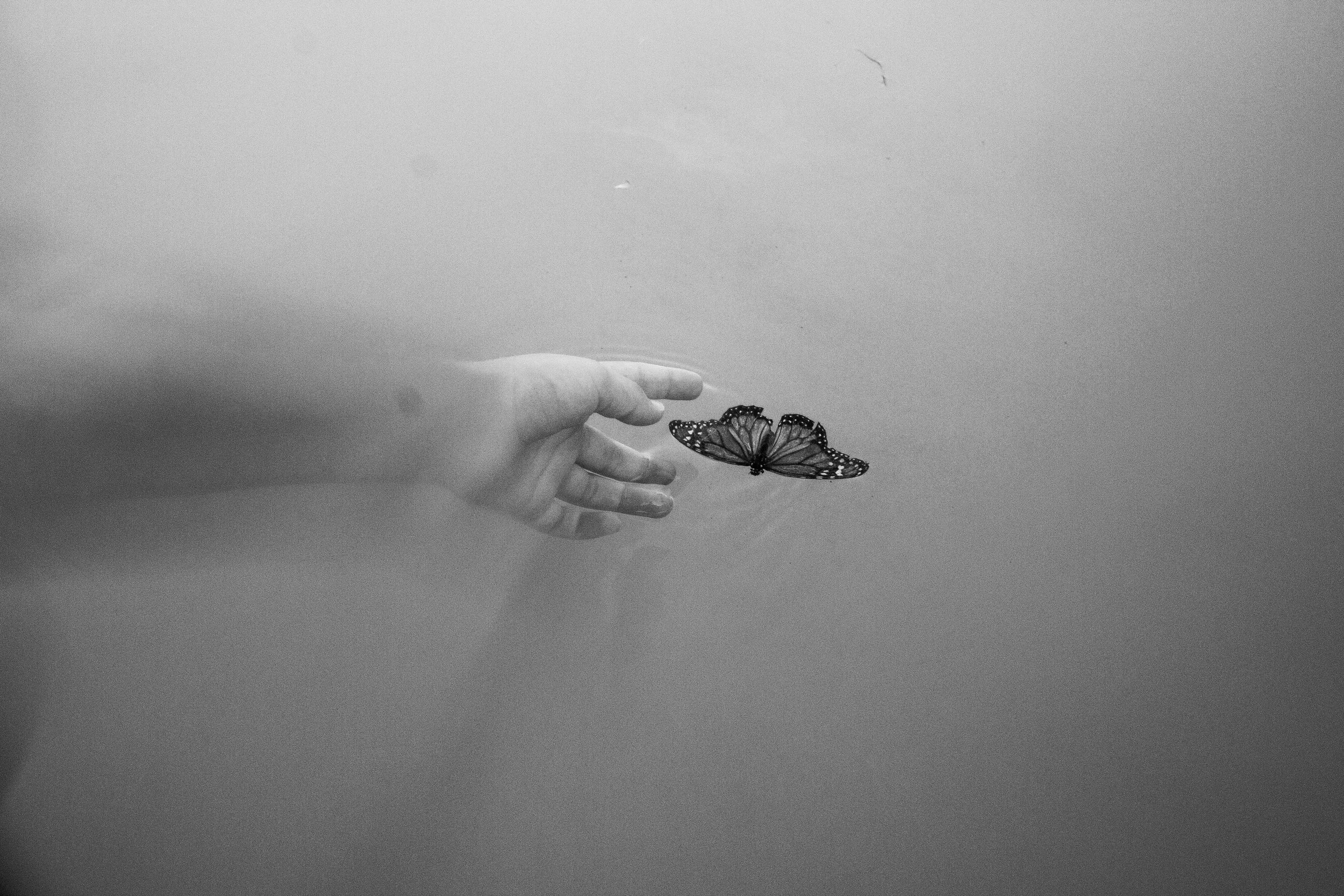
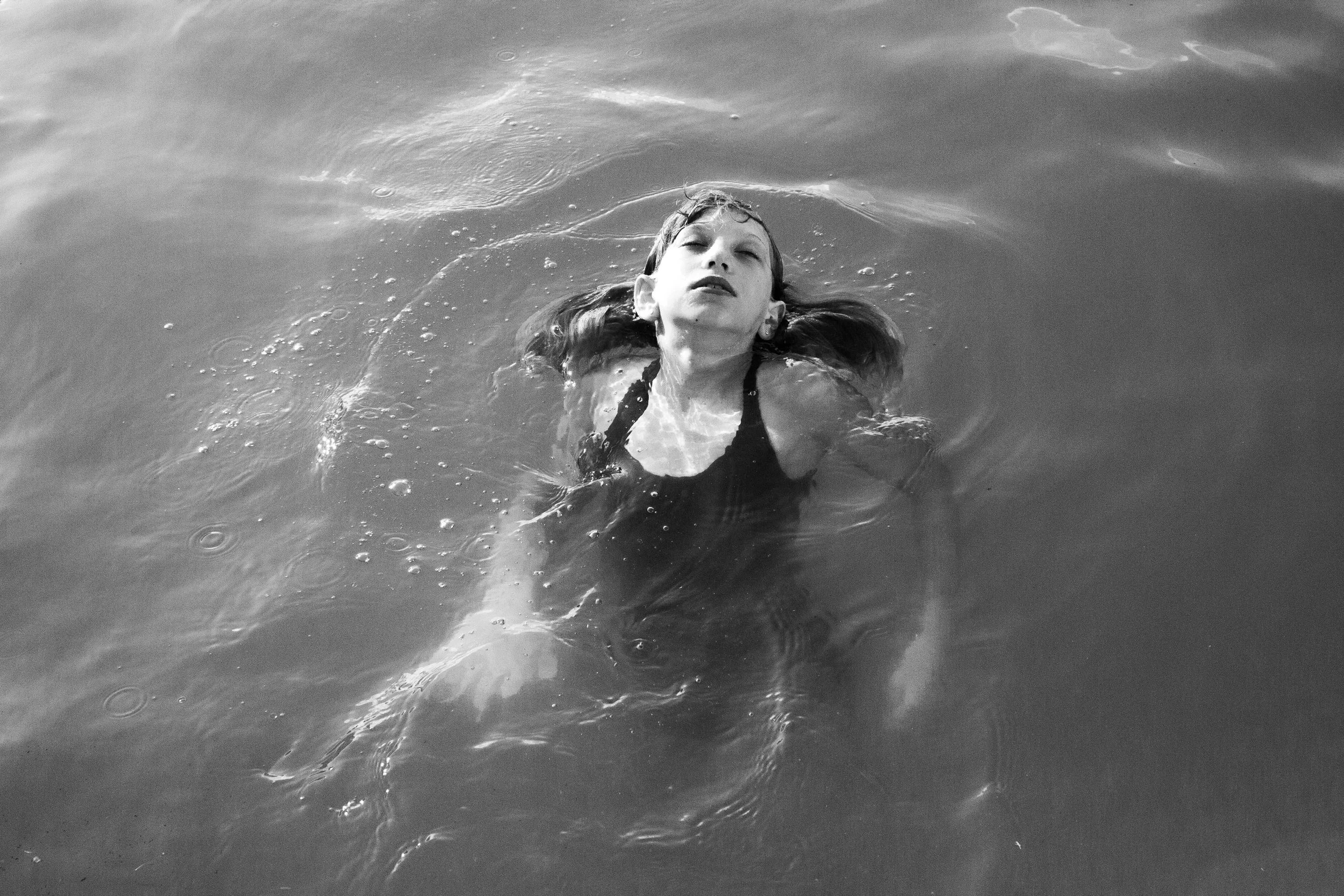
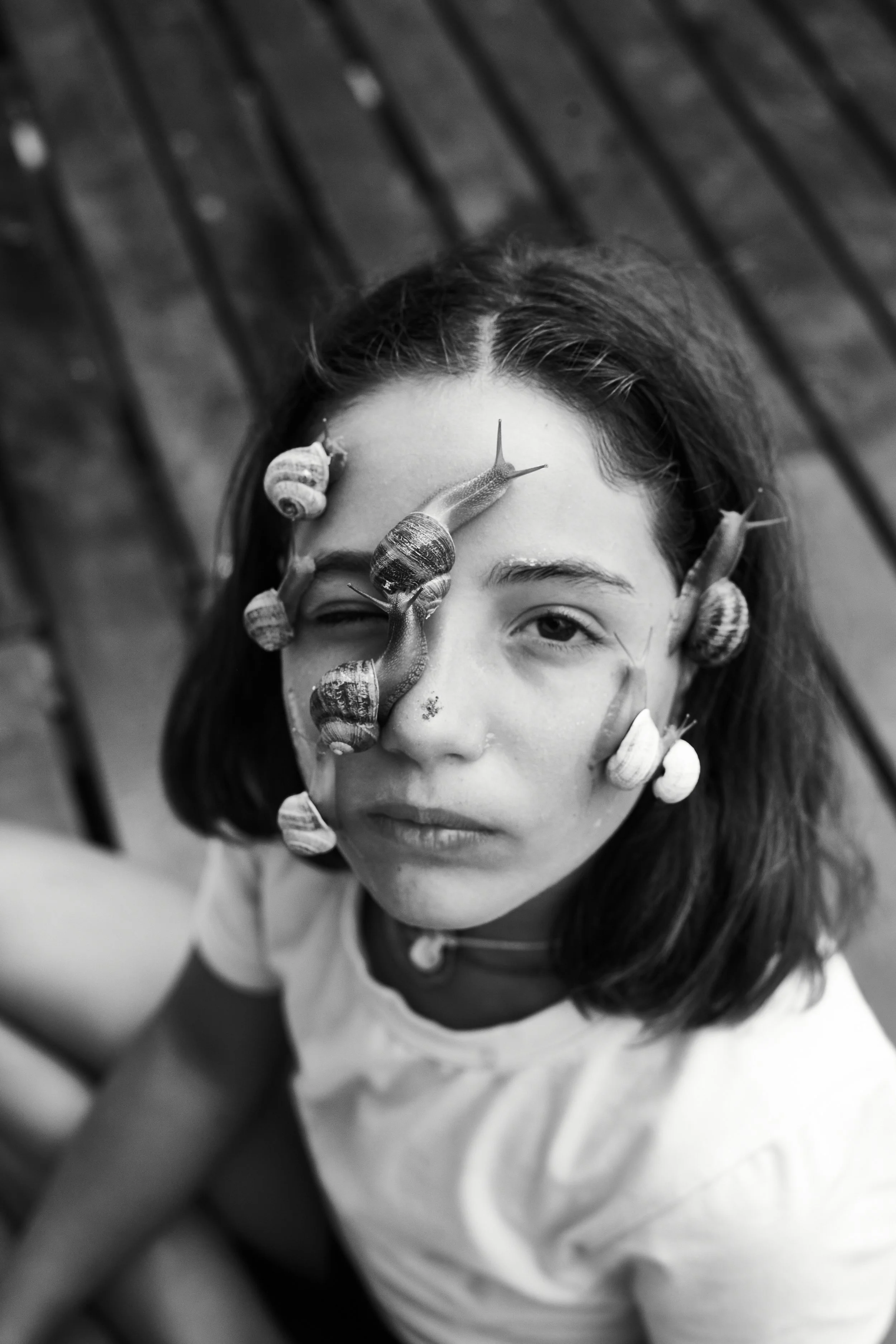
“Photography has nourished my scenic work. It taught me to observe with greater precision, to compose from intimacy, and to understand how a single image can contain a complete narrative. In both practices, I am drawn to that ambiguous territory where the real and the fictional intersect—where we stop representing and something more honest and vibrant emerges”
2. In What I Let Go With the River, you explore a territory of memory, mud, and family bonds. How did this project come into being?
JR: What I Let Go With the River was born from a personal story. When I was two years old, my parents separated, and each formed a new family. Over time, more children were born, and in total I came to have nine siblings.
The project emerged from a deep—at first unconscious—desire for searching: to find a place of my own, a sense of belonging that I could truly feel as mine. That distance gradually transformed into a way of drawing closer, and photography appeared as the medium through which I could observe, understand, and connect with that environment.
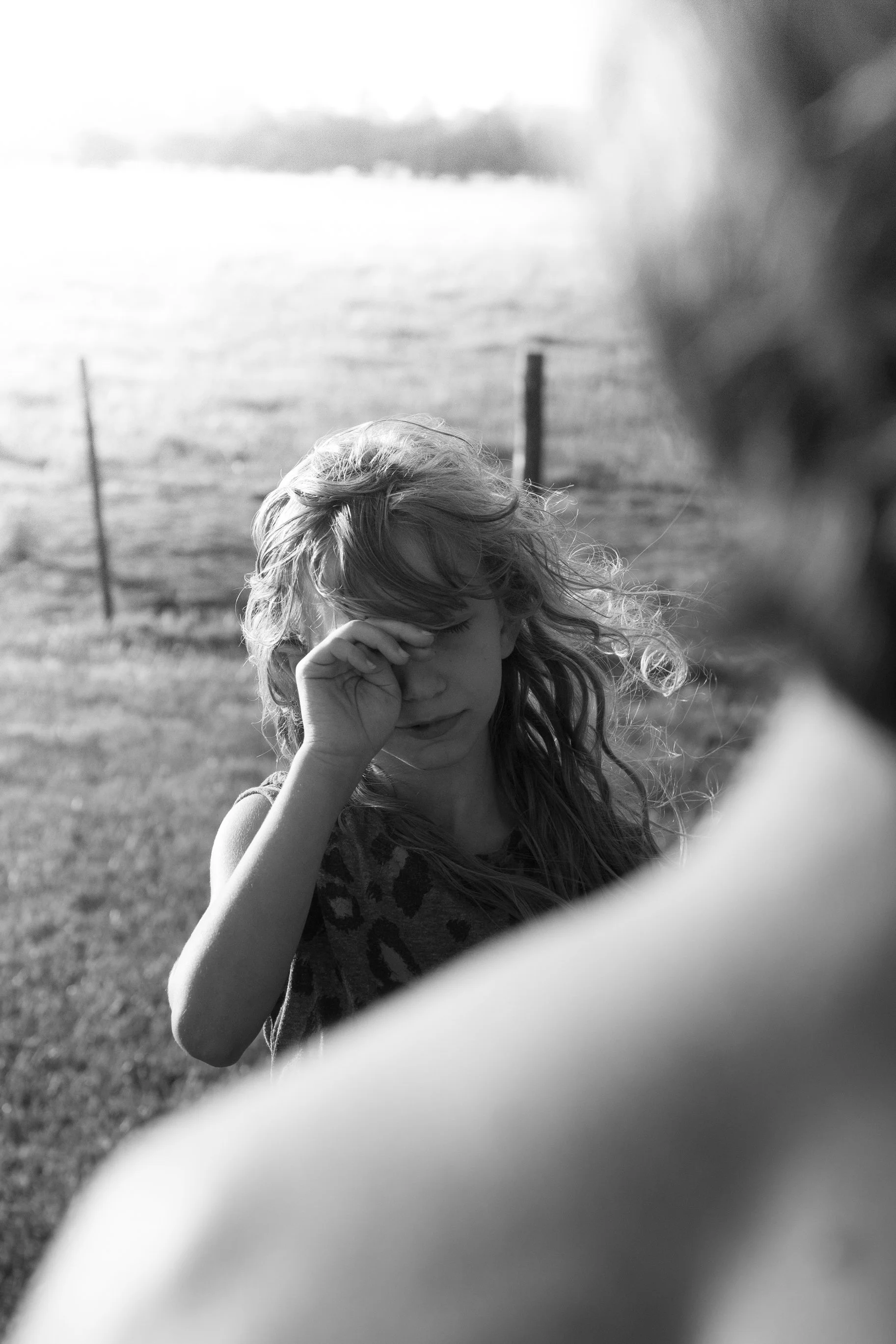
Within this ambiguous territory, photography became a tool for reconstruction and reconciliation with my own history. Through the camera, I was able to build relationships with my siblings and with the landscape—observing them while also allowing myself to be observed. During vacations, year after year, the camera became my ally, my refuge, and my way of being in the world.
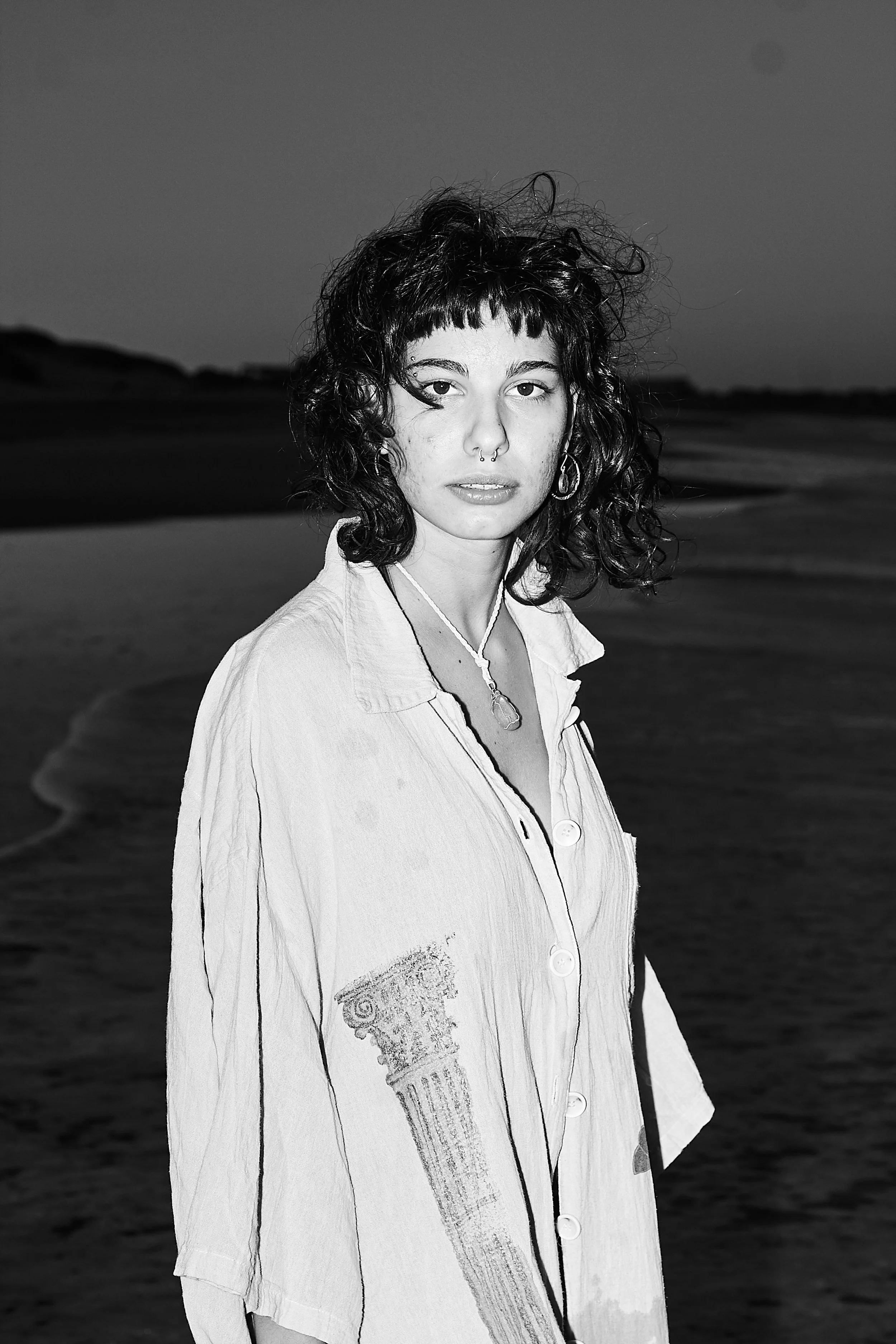
Photographing my family was a deeply revealing experience. Closeness and trust allowed me to move beyond the pose, to recognize when they were relaxed, vulnerable, and truly present. Learning their gazes, gestures, and silences led me to connect with them from a different place—more intimate and more truthful.
3. You speak about a search for belonging that moves between the documentary and the fictional. What interests you about that boundary?
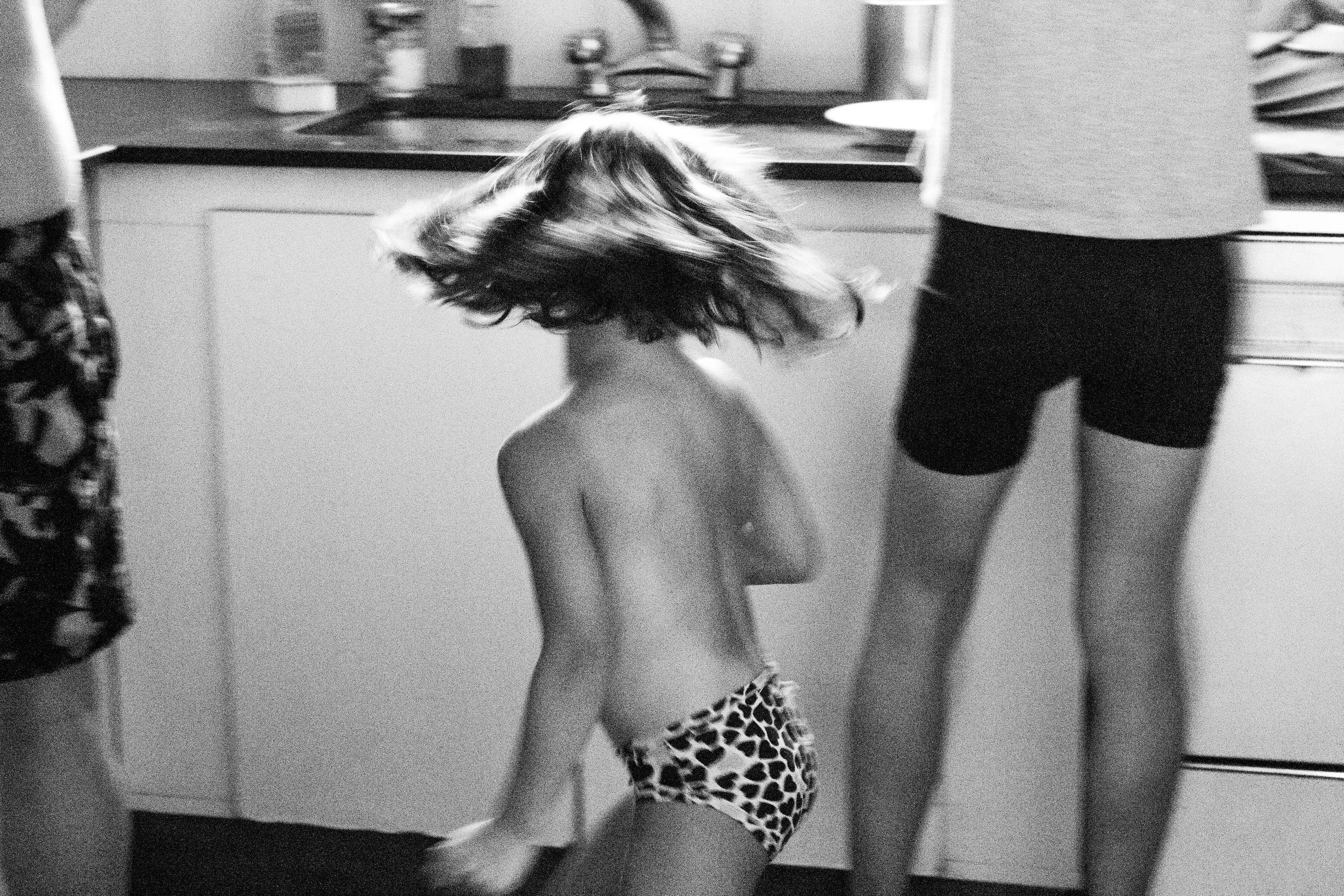
JR: I am drawn to that boundary because it is a fertile, unstable territory where things stop being self-evident. When fiction enters the real, a possibility opens up: the everyday becomes permeable to the dreamlike, the magical, and the imagination. It is not about escaping reality, but about allowing other layers of truth to emerge.
In my work, fiction functions as a form of access. At times it has been a refuge, at others a game, and at others a way of naming what could not find a place in direct language. In this intersection between the documentary and the poetic, I find more sensitive—and sometimes more honest—ways of communicating emotion, memory, and connection.
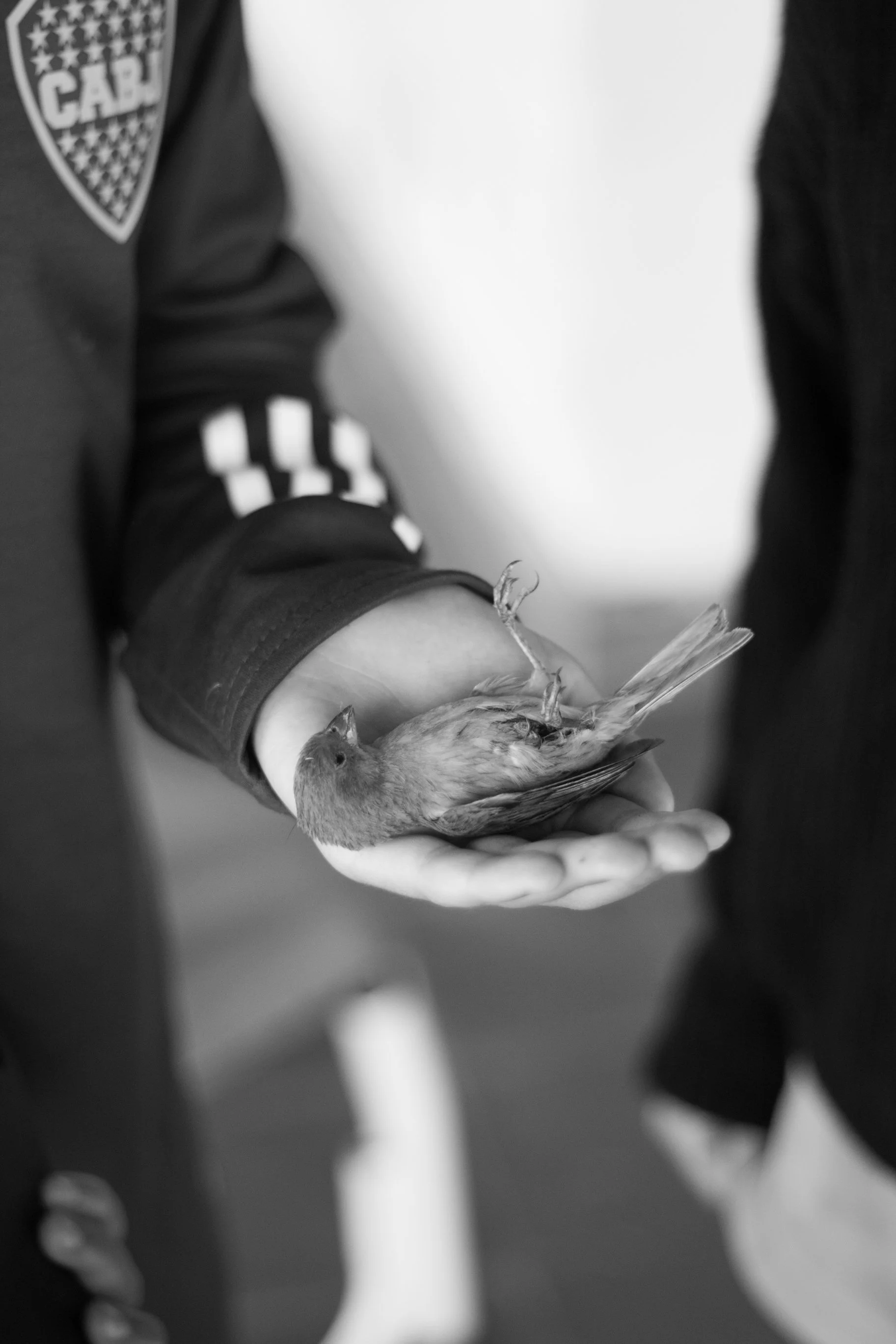
This ambiguous space allows me to build images that do not fully explain what is photographed, but rather allow it to be felt. I am interested in photography retaining something wild and innocent, in conveying emotion, in breathing the texture of mud and the light of innocence. At that boundary, the image stops merely recording and begins to interpret, and belonging ceases to be an individual place and becomes a shared experience.
4. Nature, childhood, and the wild run through your visual narrative. What weight do these elements carry in your research?
JR: My approach to photography was born from observing my surroundings, and that environment was deeply shaped by childhood and by nature. I learned how to look, how to photograph, by observing what was around me.
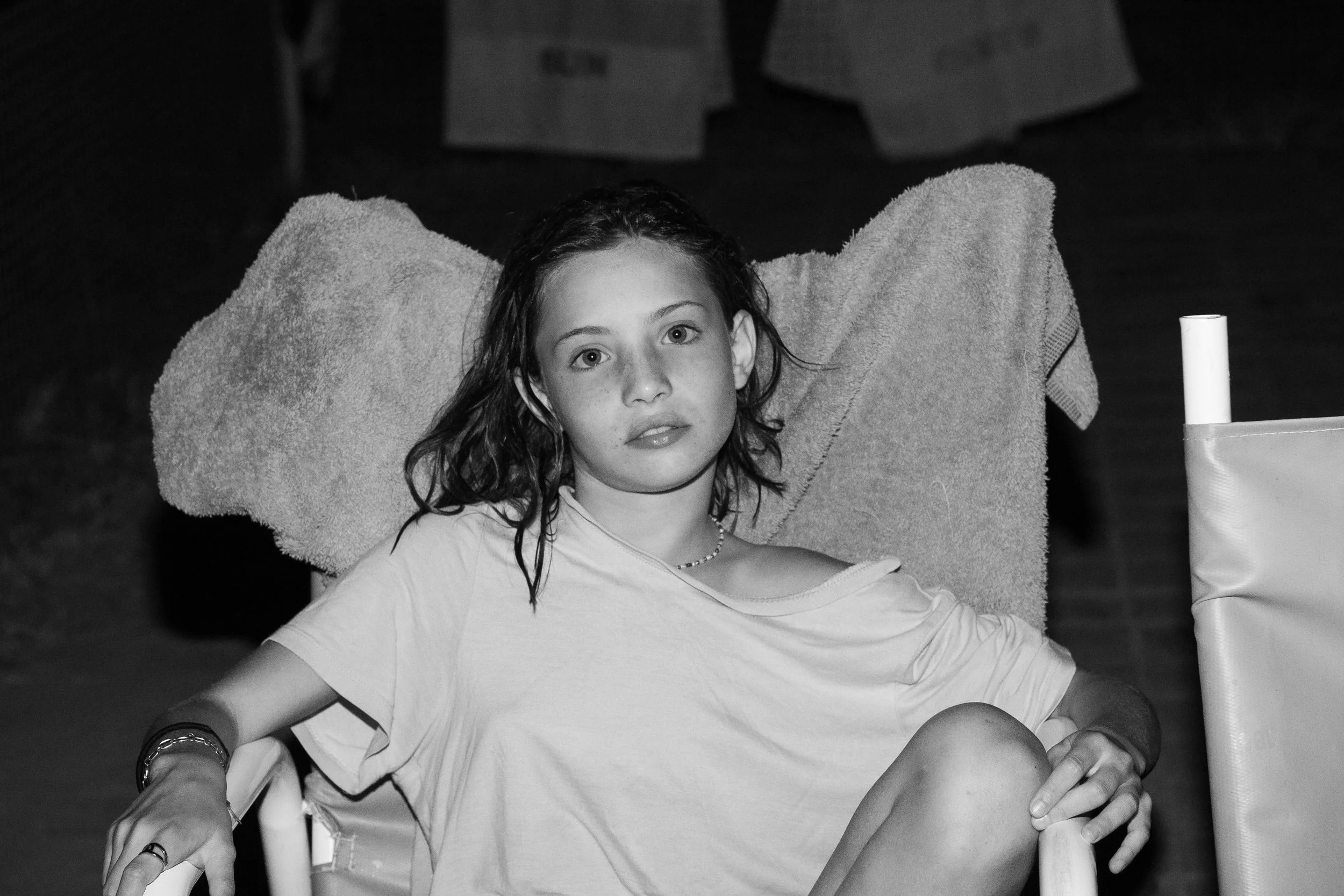
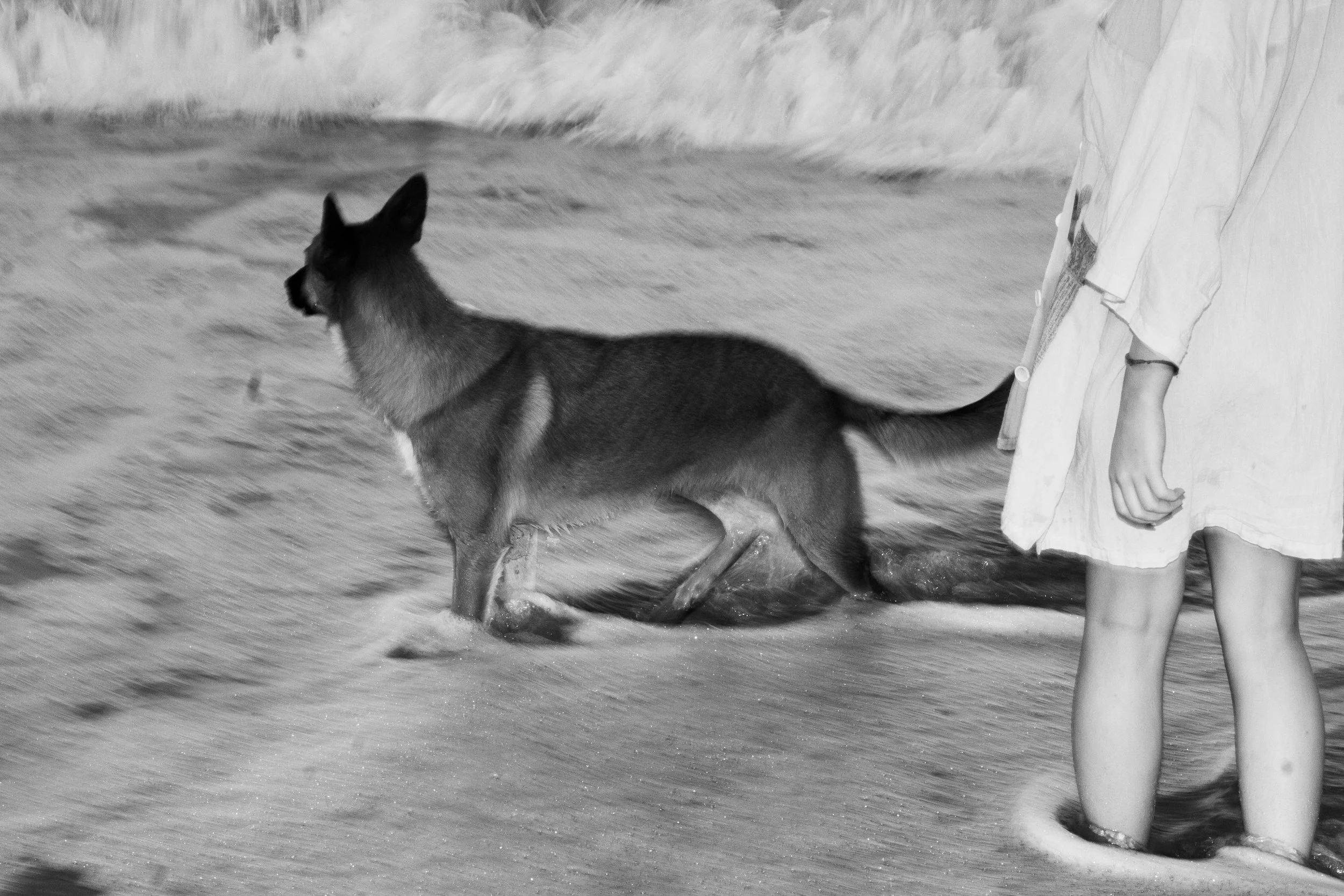
For many summers, I watched them grow in direct contact with the river, the sea, the land, the water, and animals. Within that experience, something connected to freedom emerged: bodies without shame or prejudice—free, naked, playing, getting dirty, and relating to their environment in a stripped-down and sensitive way. That state of presence, innocence, and openness became a key point of observation for me.
Nature then appeared as a malleable threshold for self-knowledge, both for them and for me—a space of feedback where body, landscape, and relationship transform one another.
. What role does the river play in this visual and emotional universe?
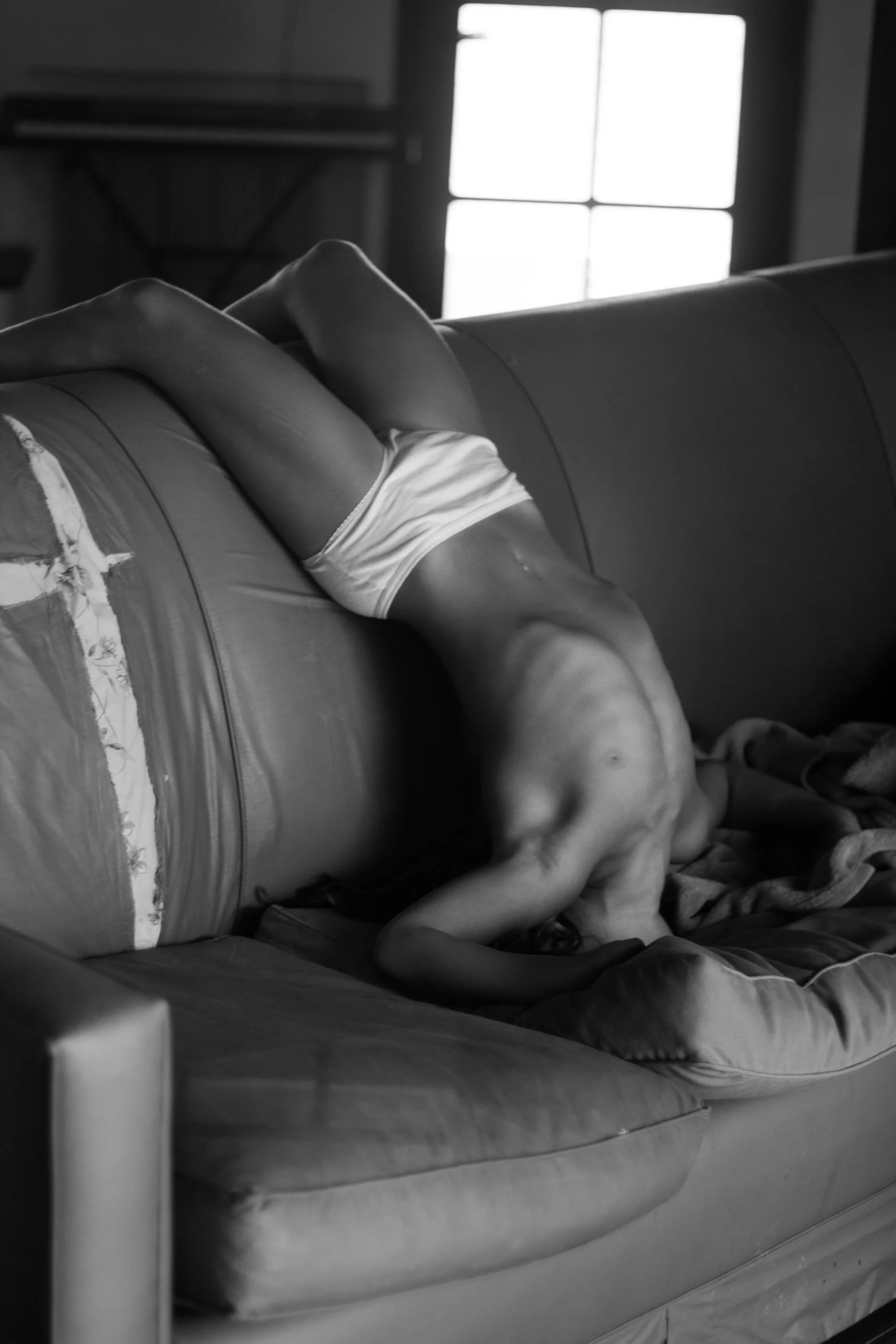
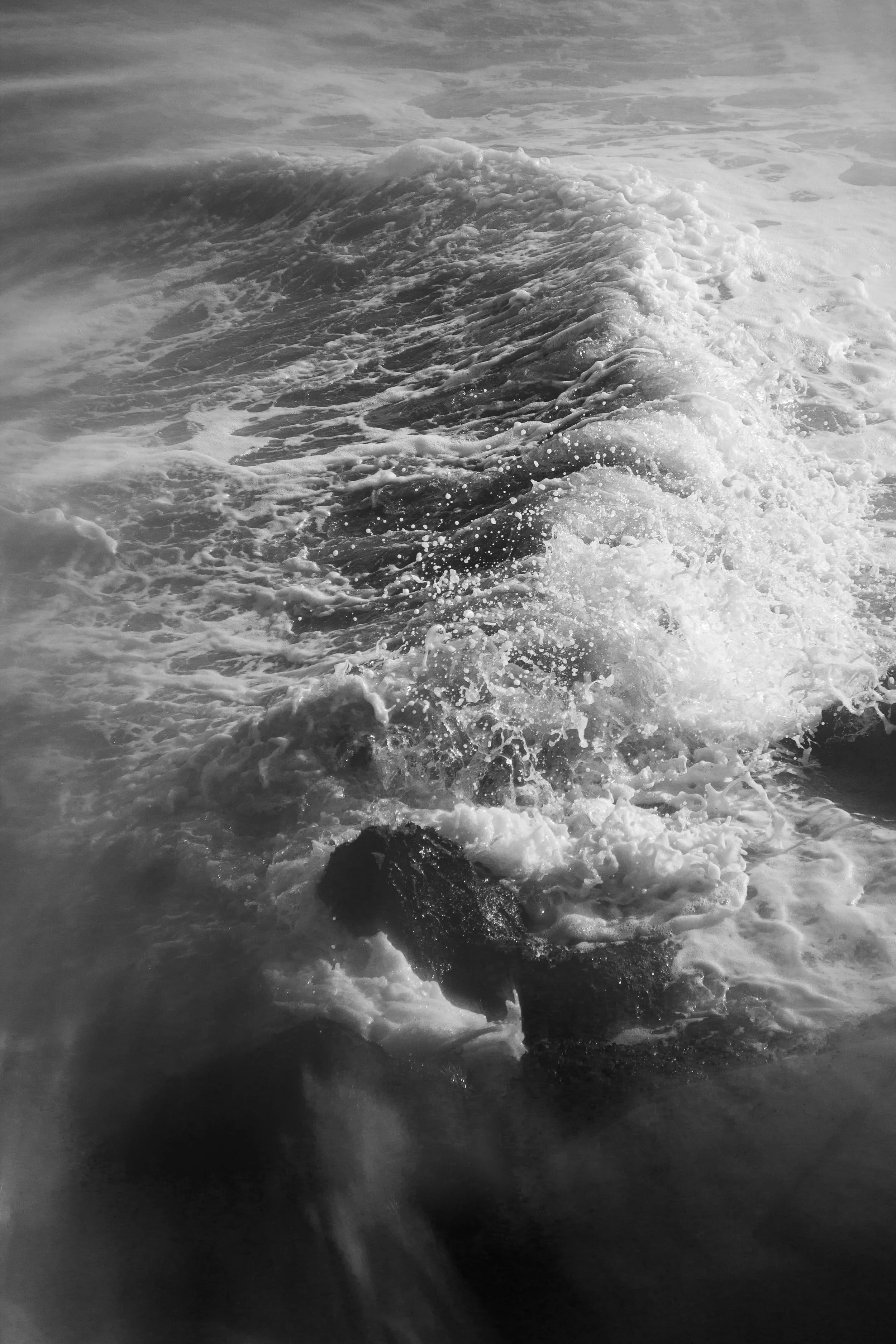
JR: When I look at the images, I see something they all share: a search for emotion. I am interested in images where something happens—where they generate something in the viewer, where emotion and sensitivity are present, tangible and palpable. Water is like emotion: it can be calm, turbulent, dark, deep, gentle, or furious.
The river functions as a transmuter, as a vessel of water, change, and memory, and at the same time as something impossible to hold onto. The river in its depth and wisdom. Water in its liquid memory and its force, which carries everything away.
After allowing ourselves to be crossed by the river, by water and by emotion, we are no longer the same.
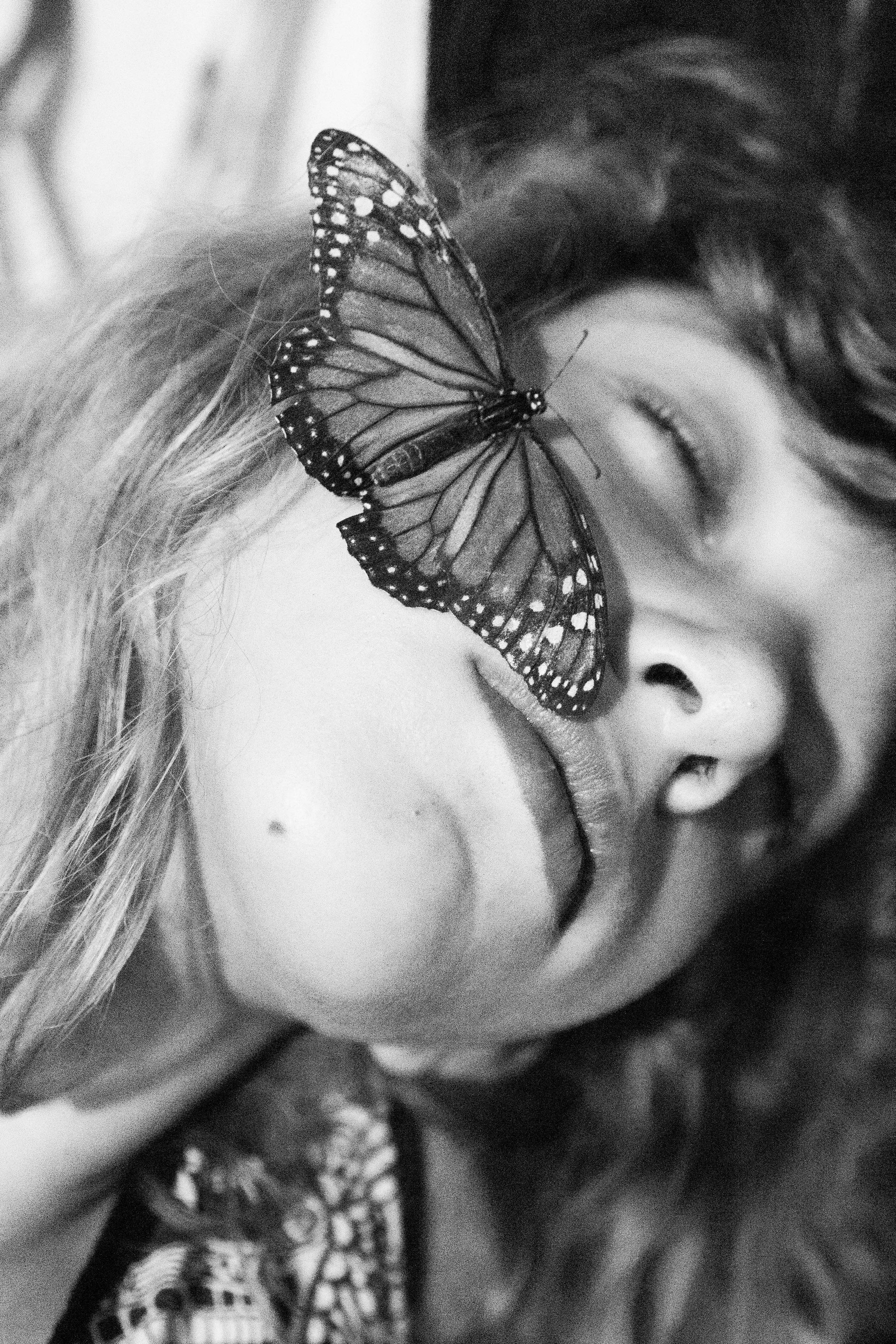
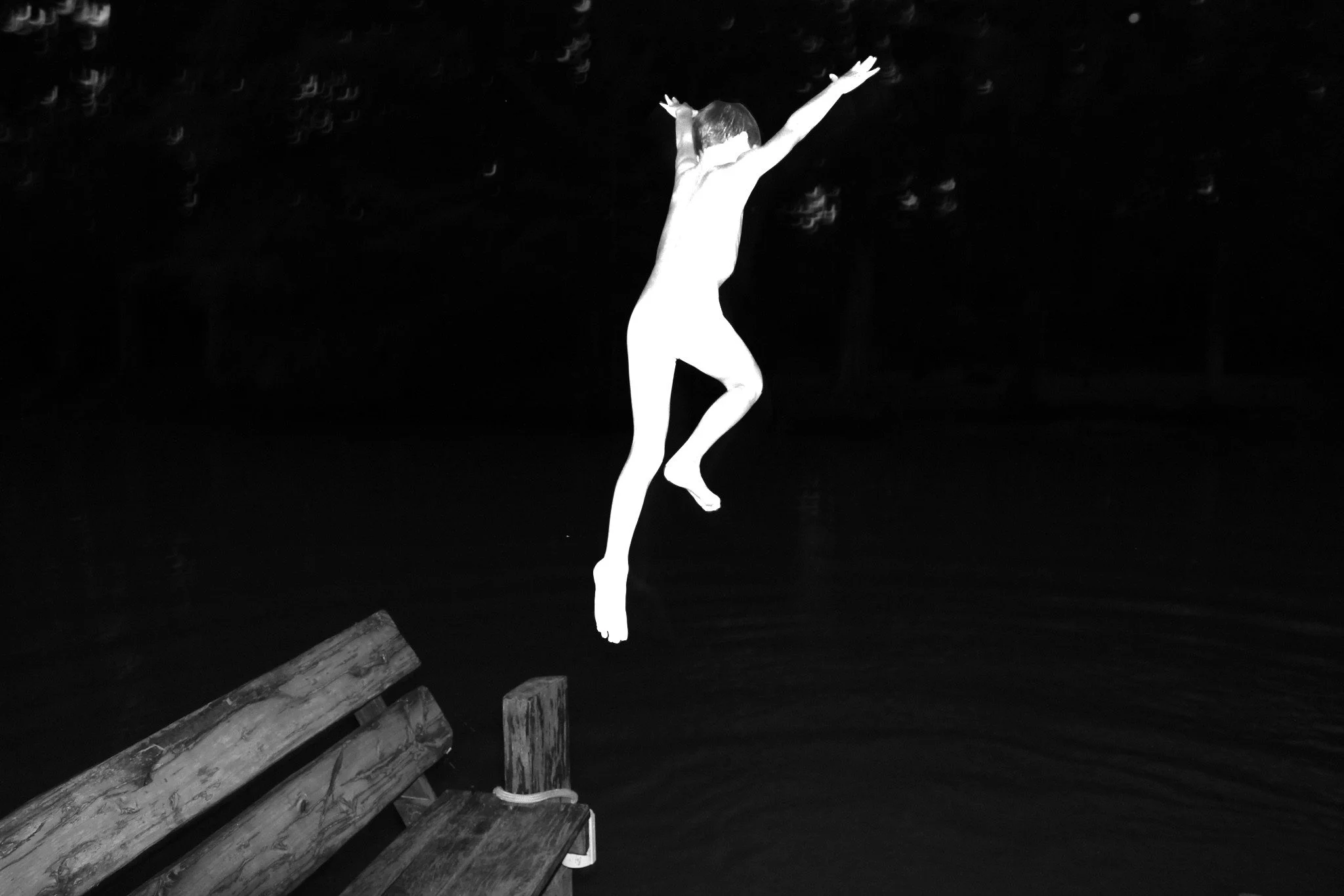
“When fiction enters the real, a possibility opens up: the everyday becomes permeable to the dreamlike, the magical, and the imagination.”
6. How do you imagine the photobook as the final form of the project?
JR: I imagine the photobook as an object-book, capable of transcending the printed page, intervened by textual and sound elements. Over the years, and alongside the photographic work, I have created an audiovisual and sound archive that I would like to integrate into the photobook experience.
The book will include two fictional texts placed at the end of the image sequence, along with a QR code that will lead to a sound experience, inviting a second reading of the book through that stimulus. I am also currently working on the development of a documentary audiovisual piece composed of the videos and sounds recorded over the past years.
7. What’s next for you and for What I Let Go With the River?
JR: I am currently in a moment of openness and circulation for the project. At present, I am submitting the images to calls and competitions, showing them, and sharing them in different contexts.
The photobook is in its final stages of editing, with the hope that printing and sales can take place over the coming year in collaboration with the Argentine publisher Lemon Punk.
At the same time, I am interested in beginning to explore the possibility of a physical exhibition where the project can expand within a shared space. I am drawn to the idea of bringing together photography, audiovisual material, and sound, and of integrating multidisciplinary tools to build an immersive experience—one in which space, video, sound, and image create a sensitive atmosphere that dialogues with the universe of the project.
All rights reserved ©Jazmín Robles